NATIONAL HISTORIC LANDMARK
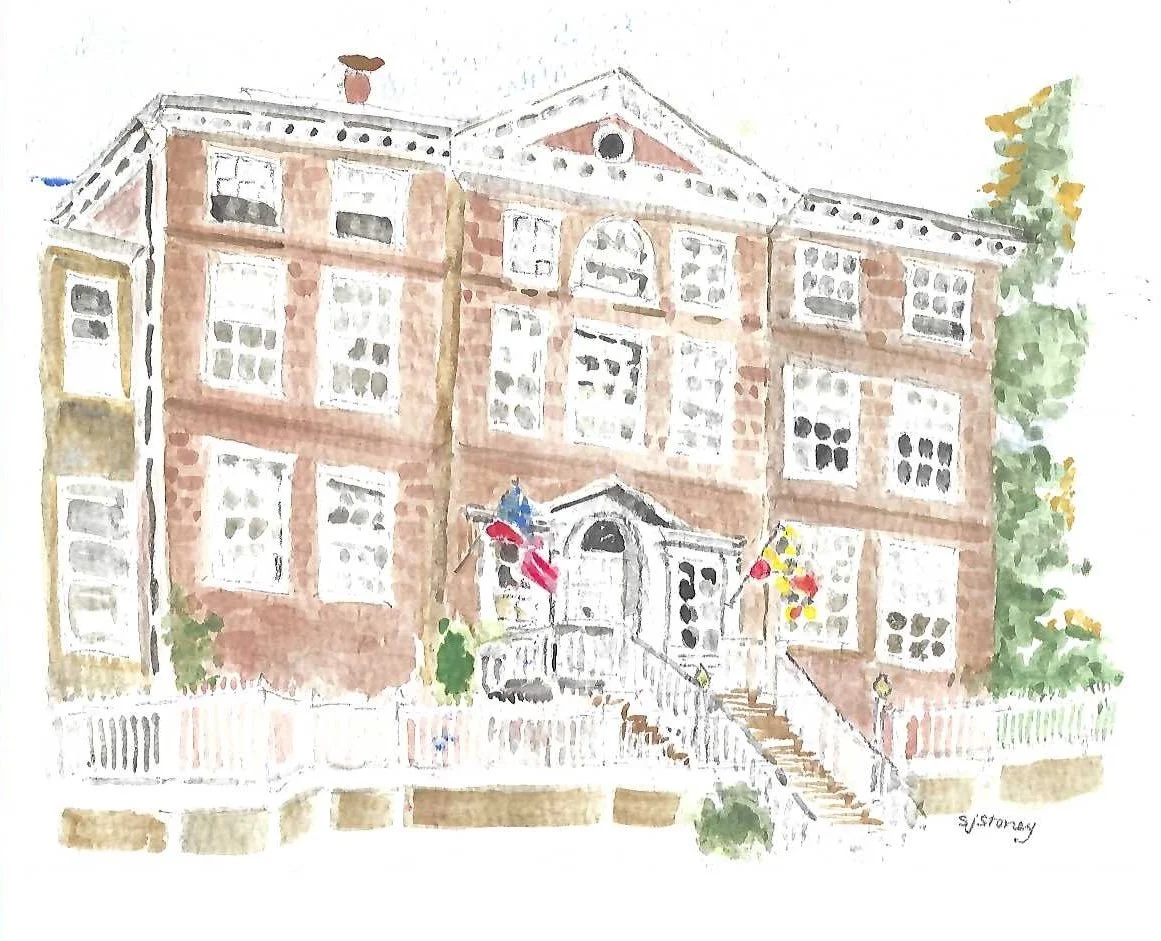
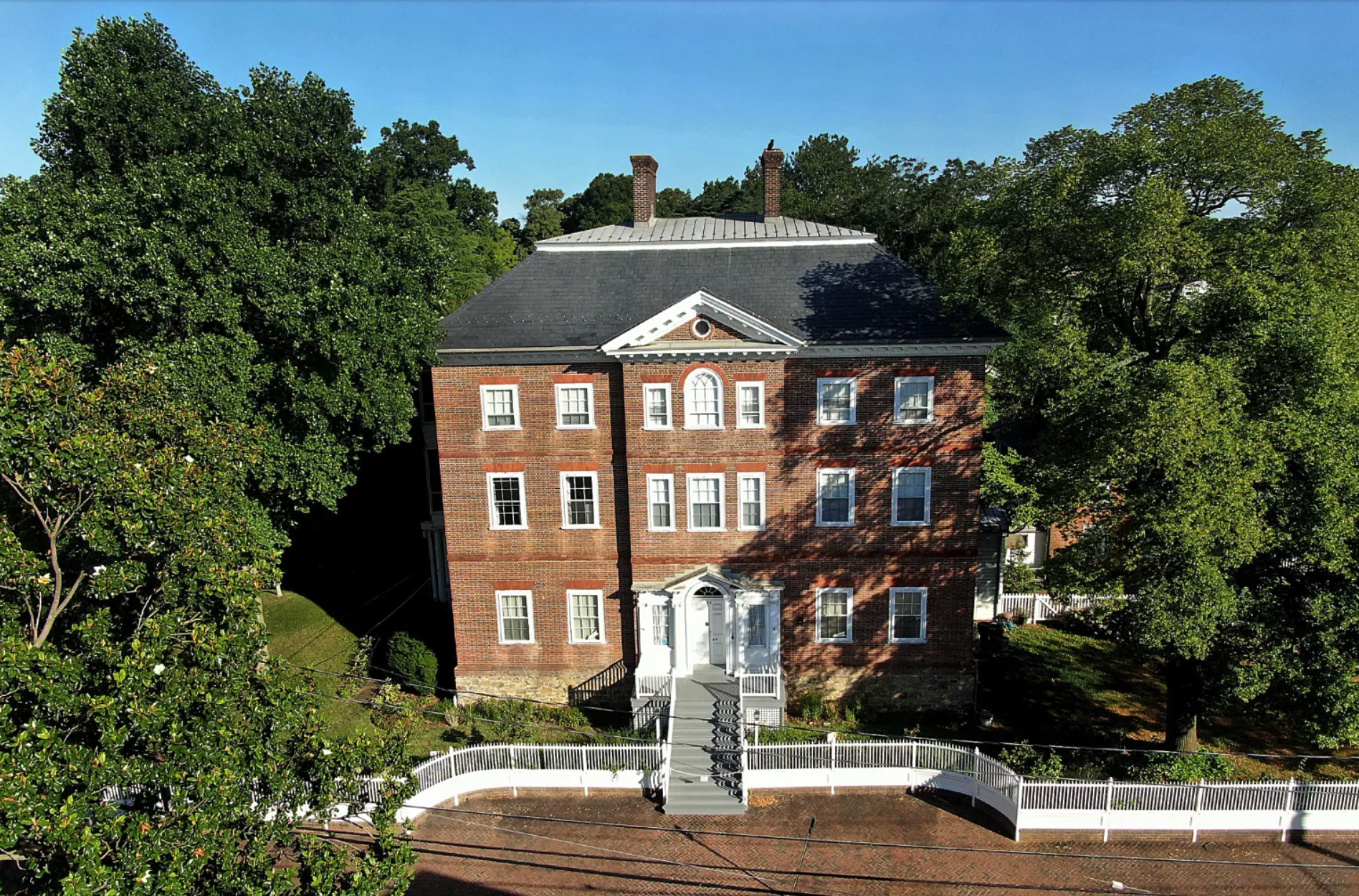
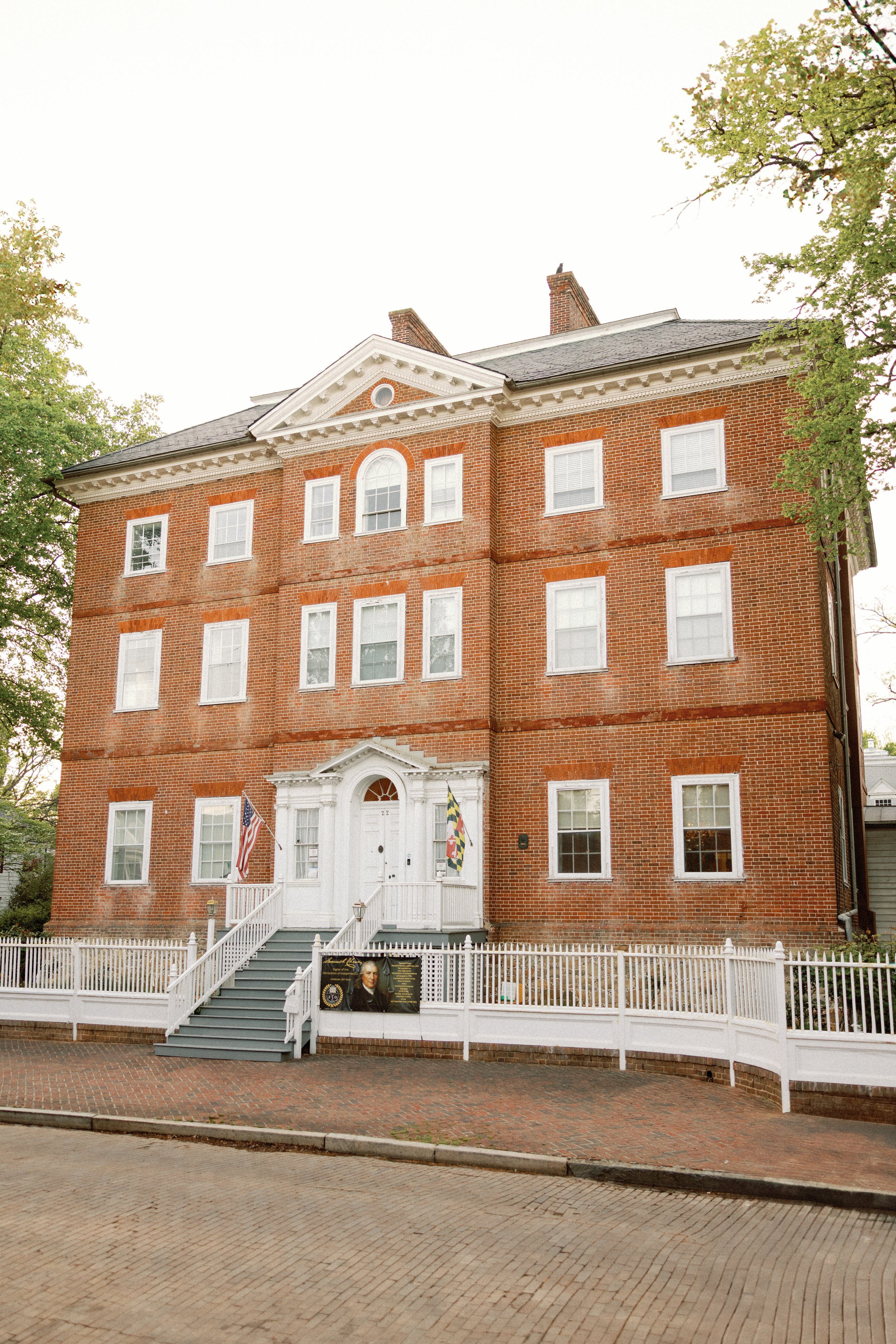
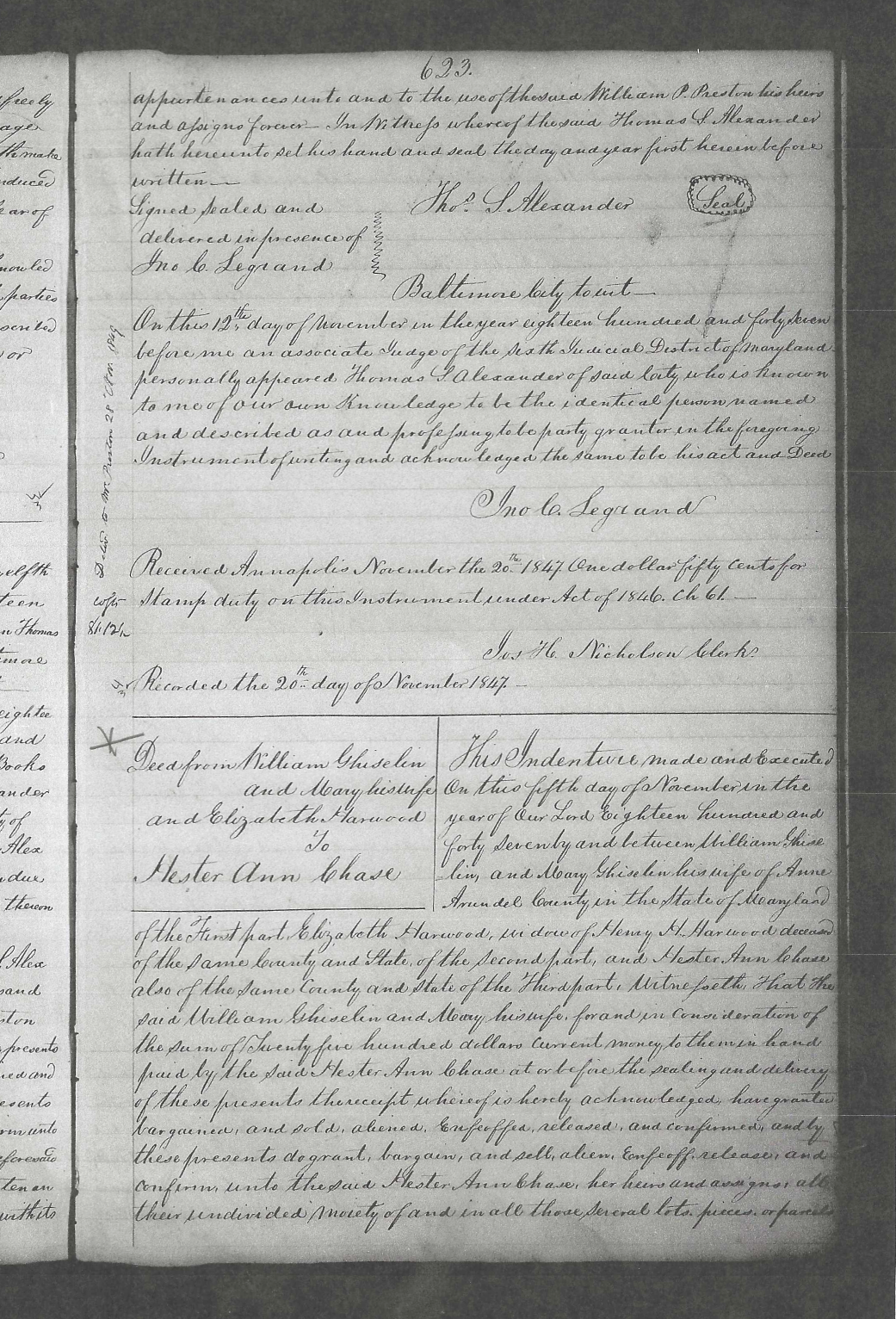
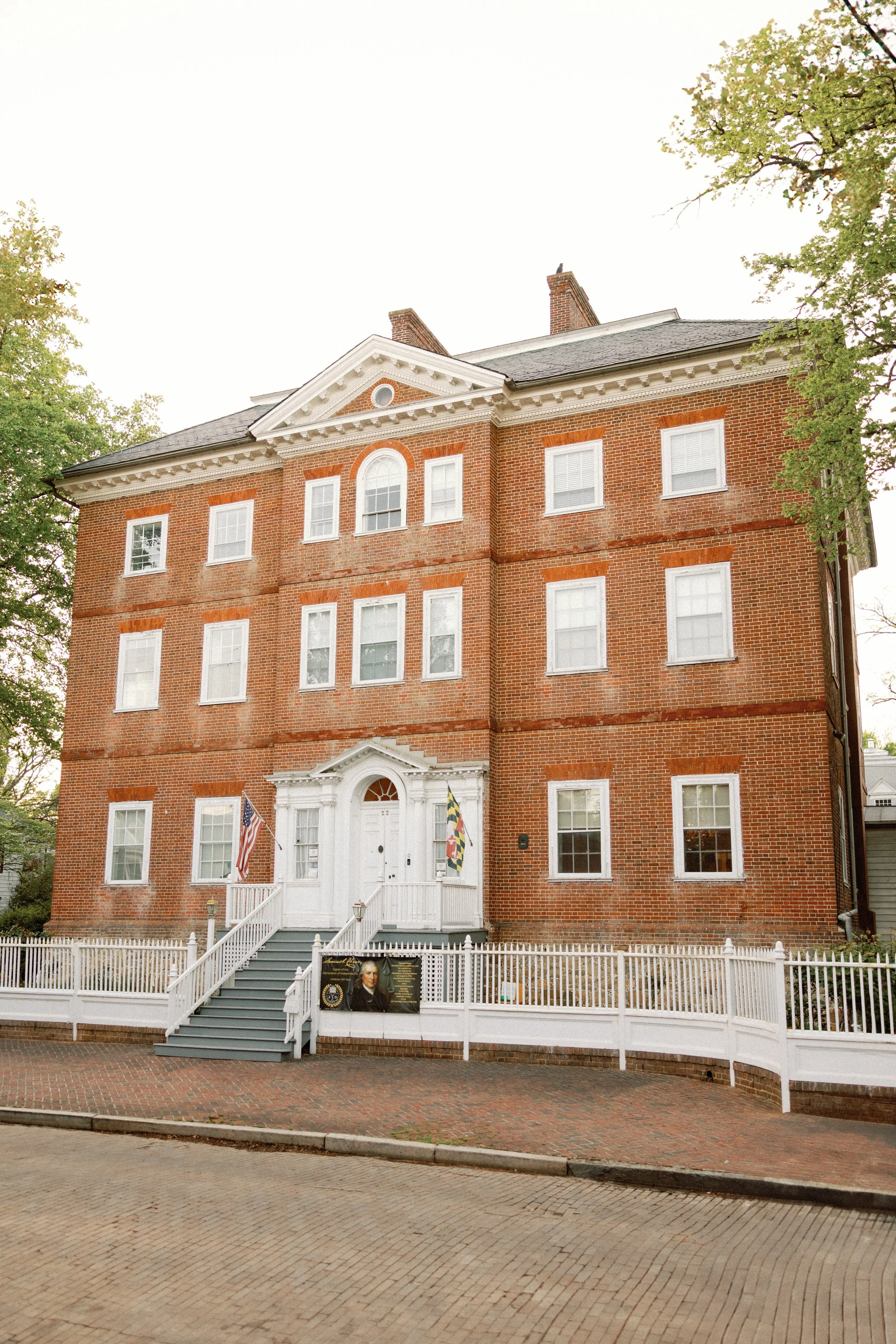
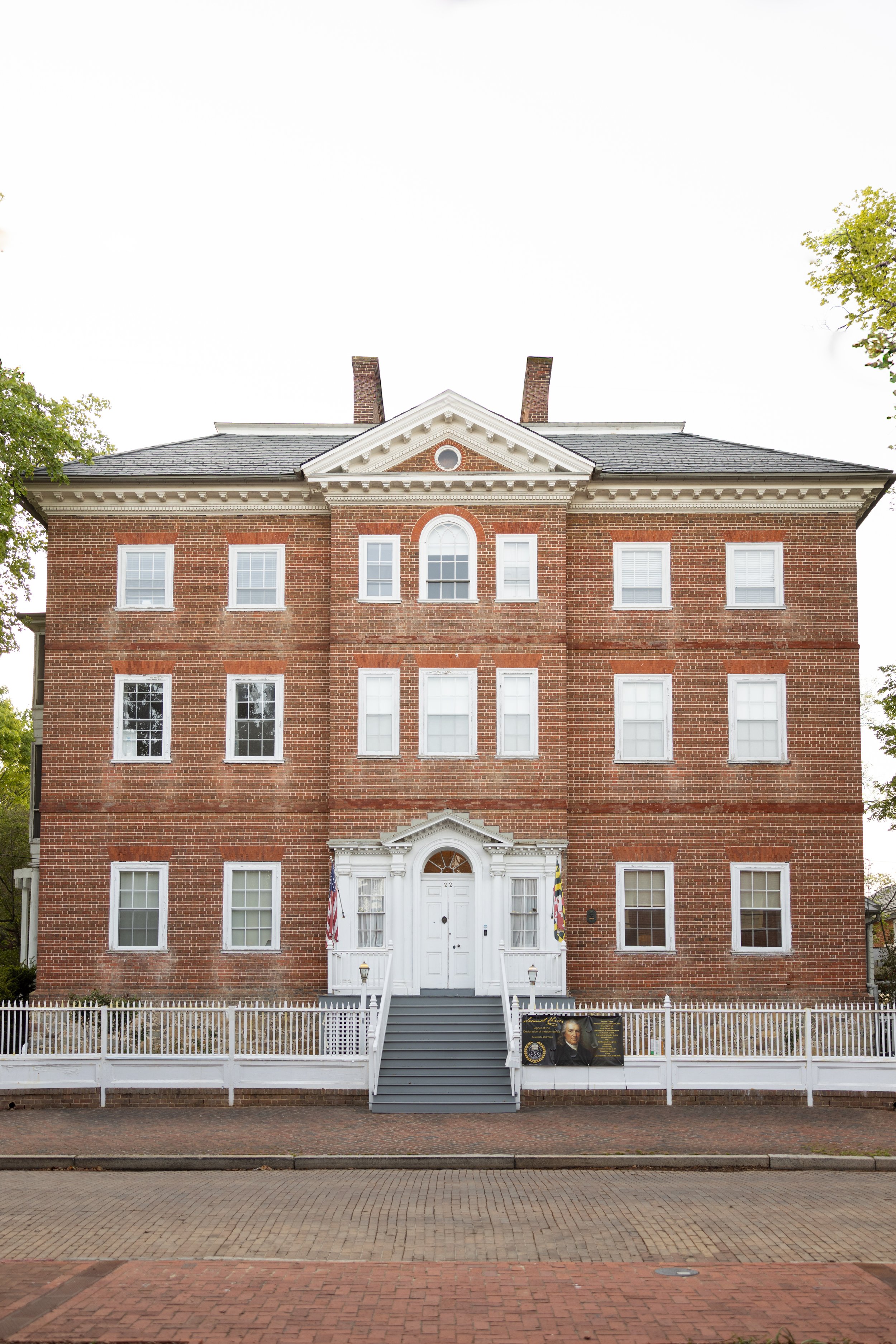
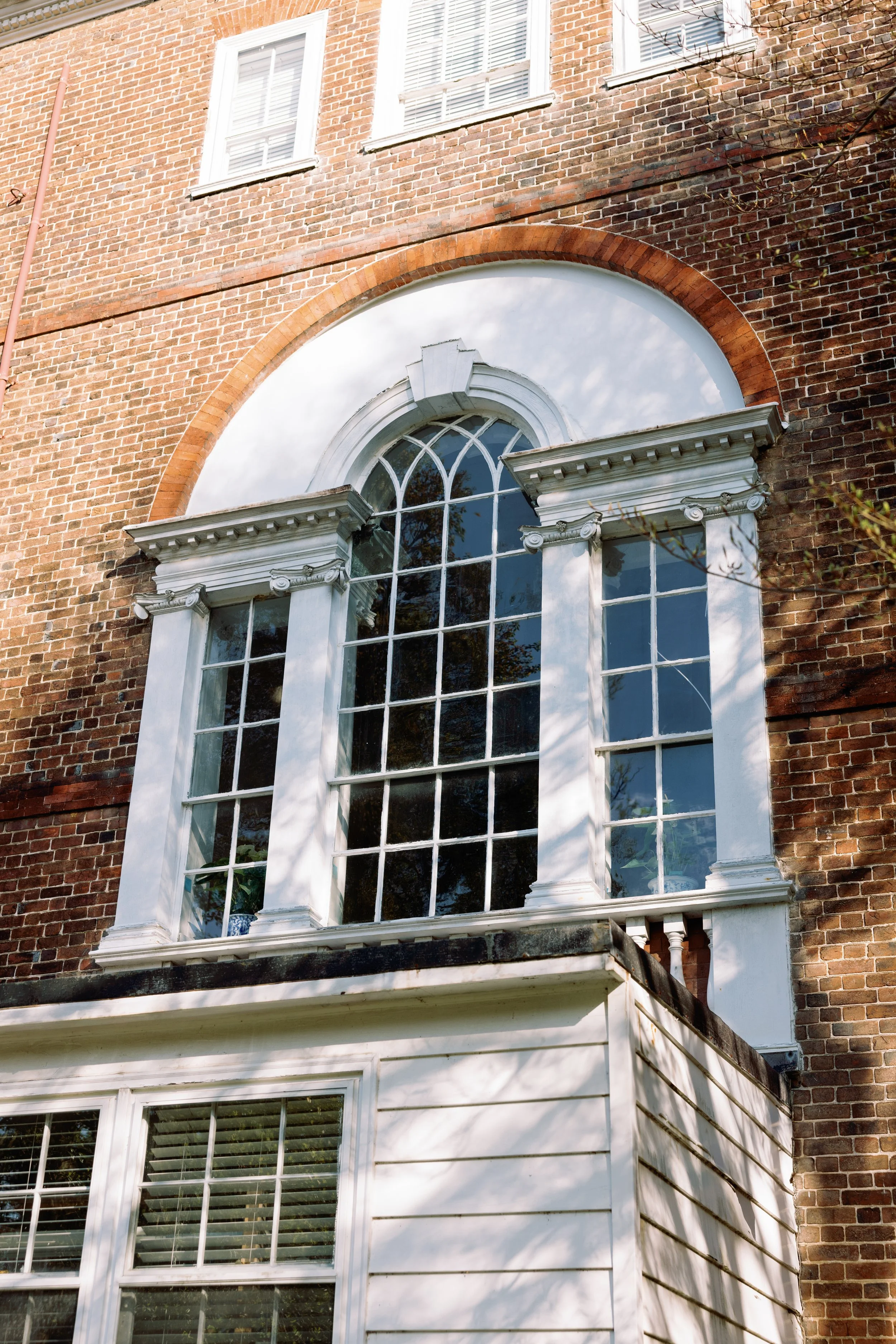
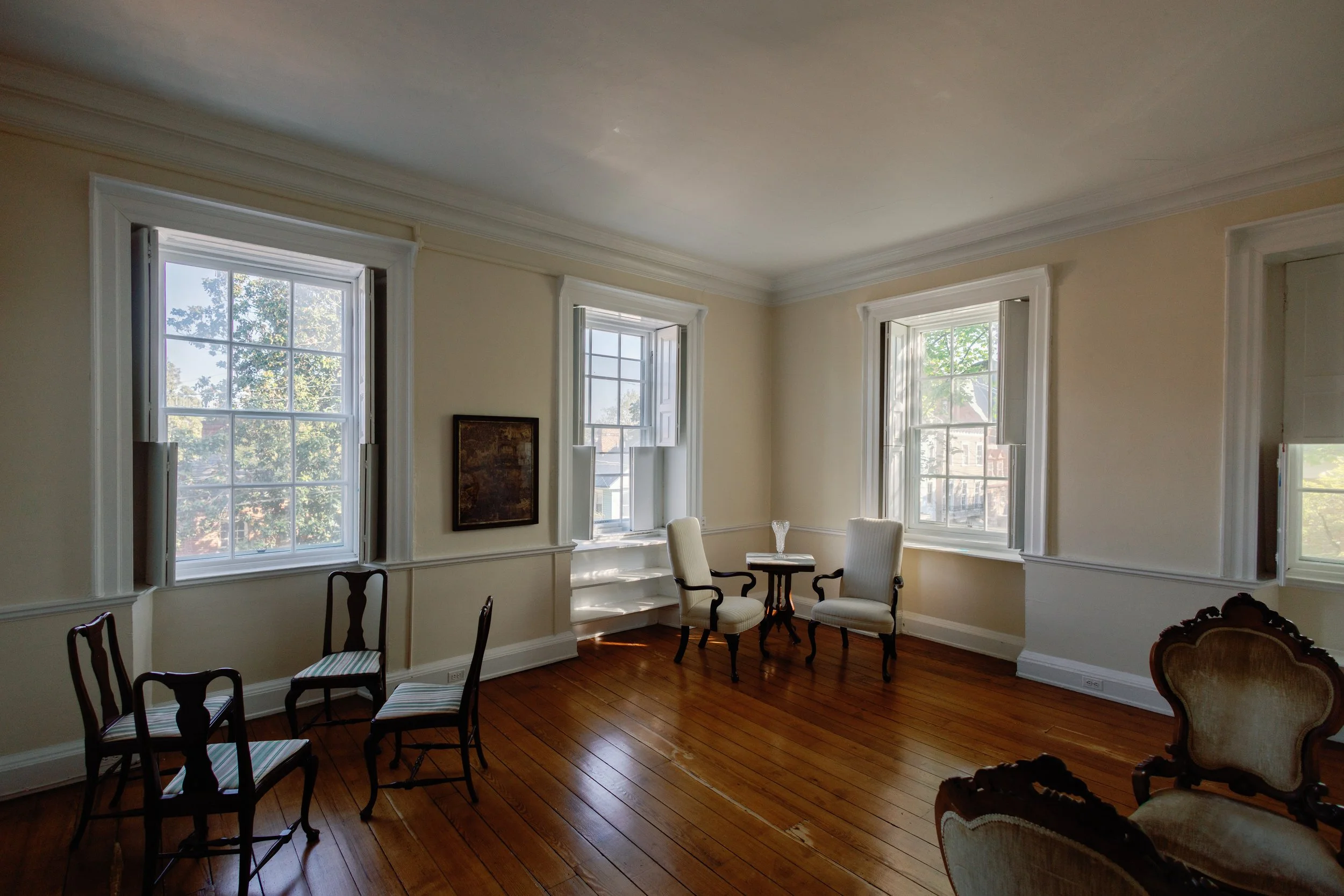
The Chase-Lloyd House, designated a National Historic Landmark in 1970, is regarded by historians of American architecture as one of the greatest examples of the Georgian style. In 1769, Samuel Chase, one of the Signers of the Declaration of Independence, began construction of the 3-story Colonial brick home. In 1771, Edward Lloyd IV bought the half finished home and contracted William Buckland to complete it. Buckland designed the interior to include the Venetian window and elaborate carvings in the parlor, dining room and staircase. In 1847, the Lloyd family sold the house to Hester Ann Chase. Hester willed the home to her three orphaned nieces. One of her nieces, Hester Ann Chase Ridout, set up a charitable trust requiring the Chase-Lloyd House property be used to provide a home for women "who have suffered the vicissitudes of life." For more than 130 years, the Chase Home, Inc. has been operating to provide an independent living boarding house for women. The home is maintained by the Chase Home Board of Trustees and staff of support personnel hired by the Board. Historically, the operation of the home was based primarily on the needs of the ladies who live at the home and secondarily, on sustaining the highly significant architectural and historic character of the National Historic Landmark. Unable to house women at the home, the Chase Home Board of Trustees continue its stewardship of the property. All repairs, maintenance and preservation work follows the Secretary of the Interior's Standards for Historic Properties.
LEGACY
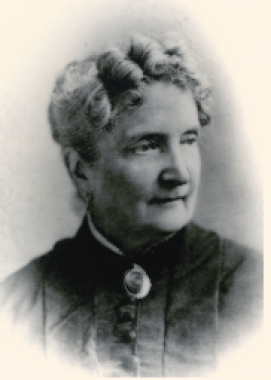
Hester Ann Chase Ridout, by her Will of 1886, established a trust for her property at 22 Maryland Avenue and set forth in her Articles of Incorporation a company to be named The Chase Home and controlled by a Board of Trustees for the purpose of providing housing for women suffering the" vicissitudes of life." Hester's desire reflects the needs and women of in the post-Civil War era and her own experience of having been orphaned. In 1889, the Chase Home was established. For more than 130 years, the Chase Home had been operating as a 501(c)(3) non-profit organization to provide an independent living boarding house for aged, destitute and infirm women at the historic Chase-Lloyd House, serving hundreds of women since its founding. In June 2020, the Chase Home Board of Trustees announced the closure of the home. In late 2019, the Board of Trustees invested in a full Building Condition Assessment (BCA) and contracted the reputable Virginia-based firm MTFA Architecture/John Milner Associates Preservation to conduct a comprehensive building inspection. This assessment revealed significant safety issues, deferred maintenance and repair needs. Washington, DC based Citadel DCA was hired to assist the Board of Trustees with a Master Action Plan (MAP) for the preservation and repair work identified in the condition assessment. Concurrently, the Chase Home Board of Trustees reviewed the organizations’ vision, mission and values statement with assistance from Due East Partners, a local consulting firm, and stakeholders in the community. In 2021, the Board of Trustees adopted the final recommendation that the Chase-Lloyd House will assist housing insecure women offsite while no longer able to house women onsite.

CHASE-LLOYD HOUSE HISTORY
Young Maryland lawyer and future signer of the declaration of independence, Samuel Chase, started the construction of the Chase-Lloyd house in 1769 when he was just 25. Before Chase ran out of money in 1771, the unknown architect and builders Chase hired finished the foundation and outer shell of the Georgian style mansion. From its unusually tall three-story height, it is evident that Chase wanted his home to rival those of his far wealthier neighbors in grandeur. He, however, had to sell the unfinished mansion and settle for a less grand home elsewhere.
Chase sold the house to the wealthy plantation-owner, Edward Lloyd IV. Like Chase, Lloyd wanted a home in Annapolis so that he could establish himself in politics. At the time of the purchase, he had just been elected as delegate for Talbot County on the eastern shore where his plantations and primary residence were located. Lloyd hired the famous colonial architect, William Buckland, to finish the interior.
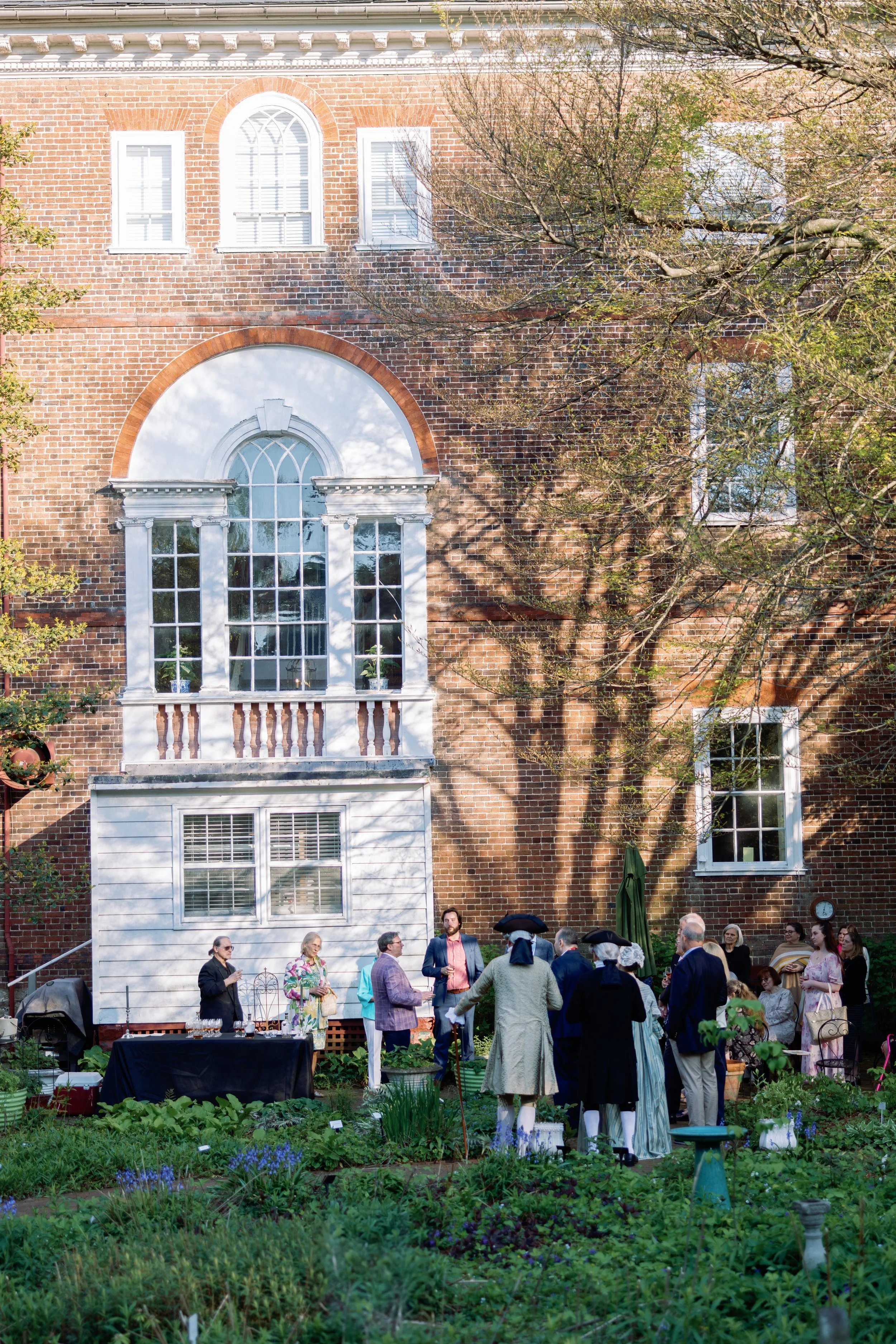
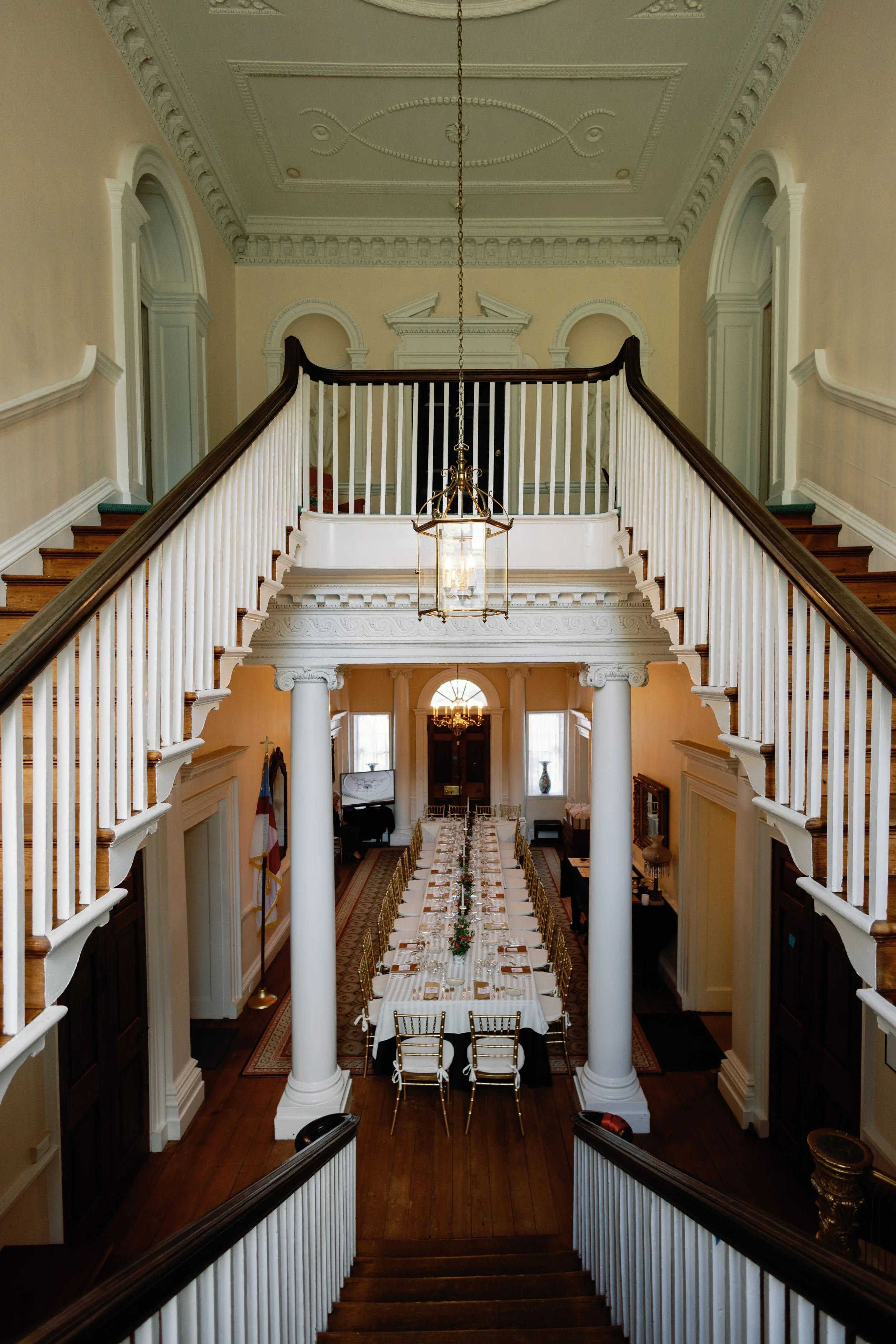
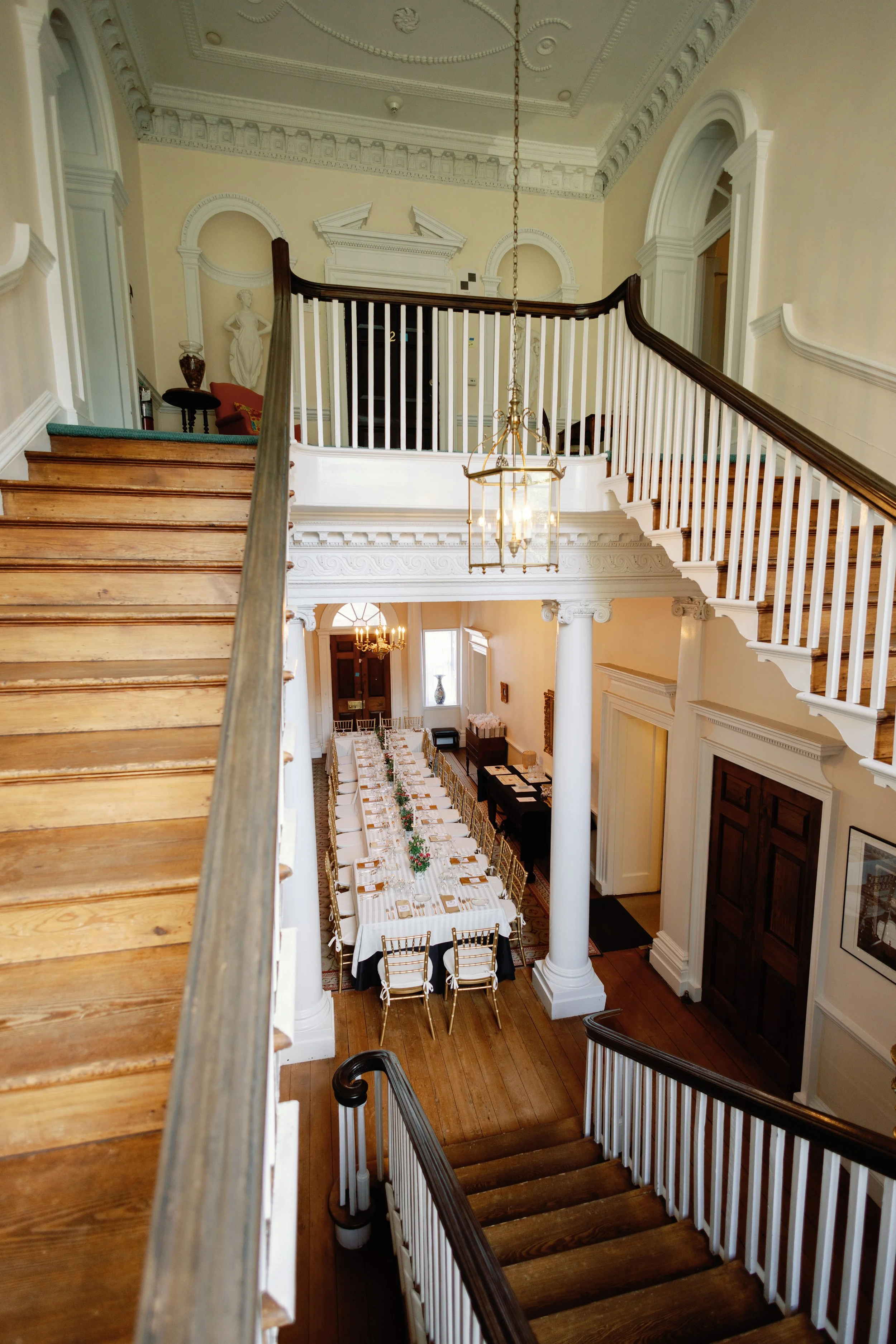
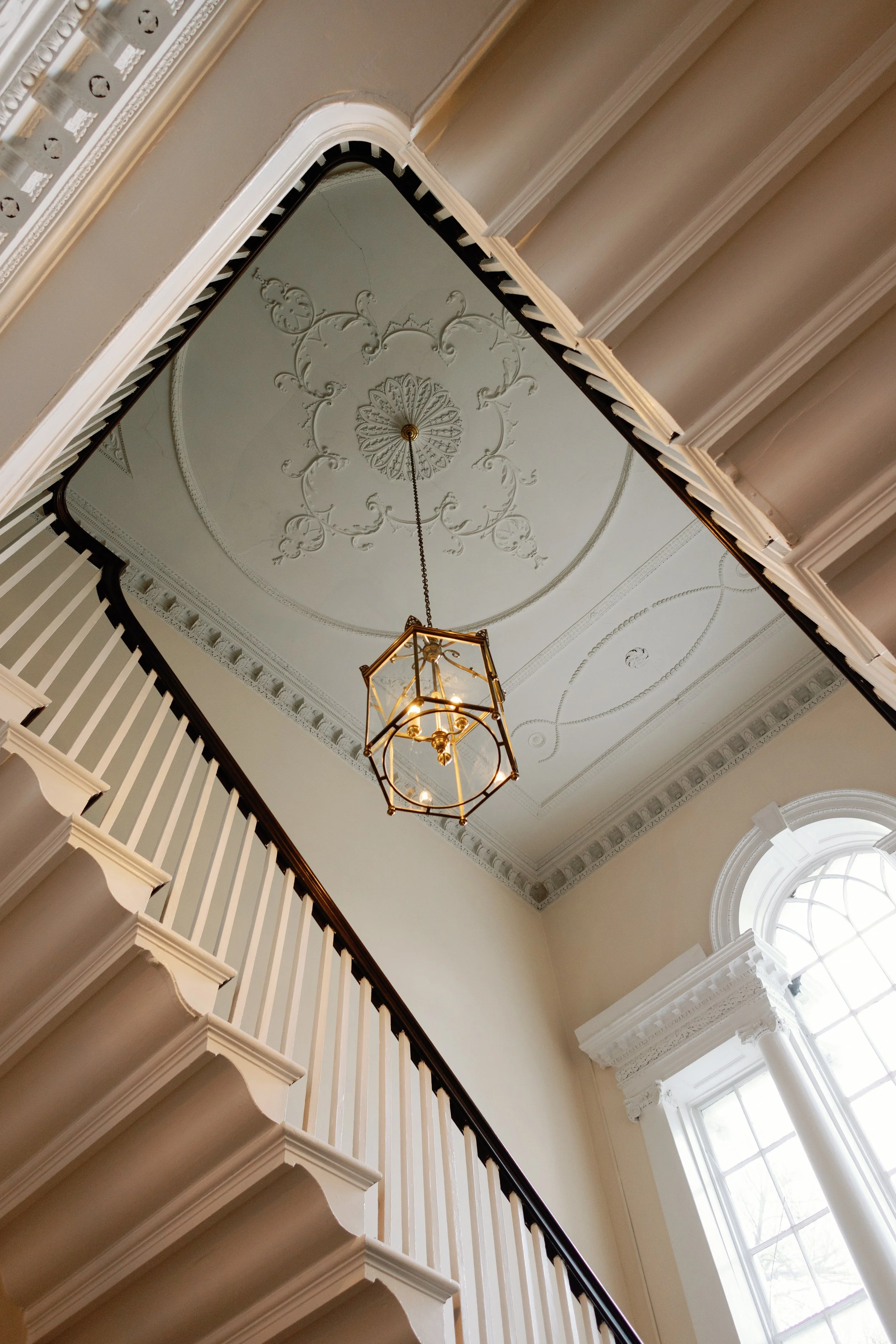
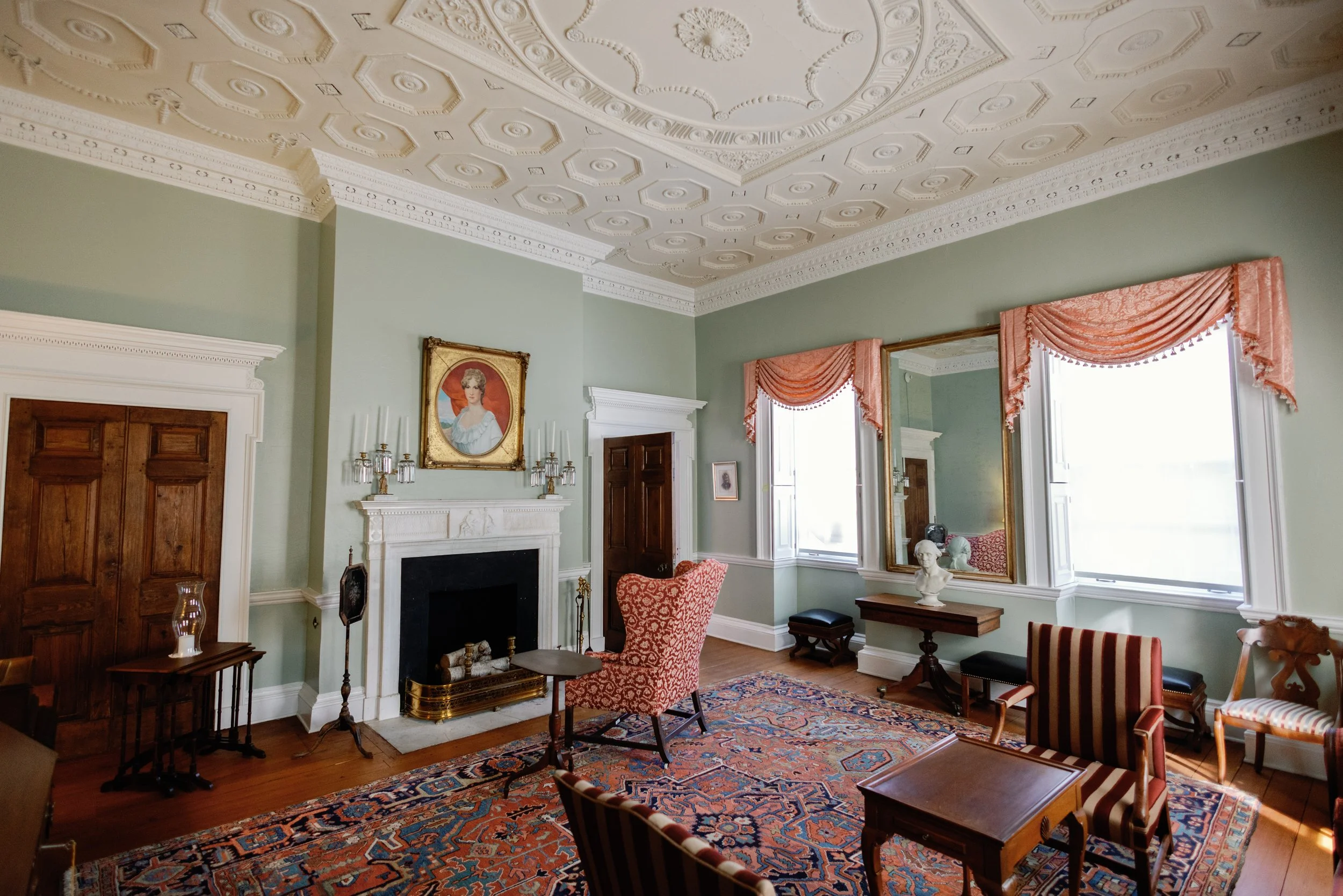
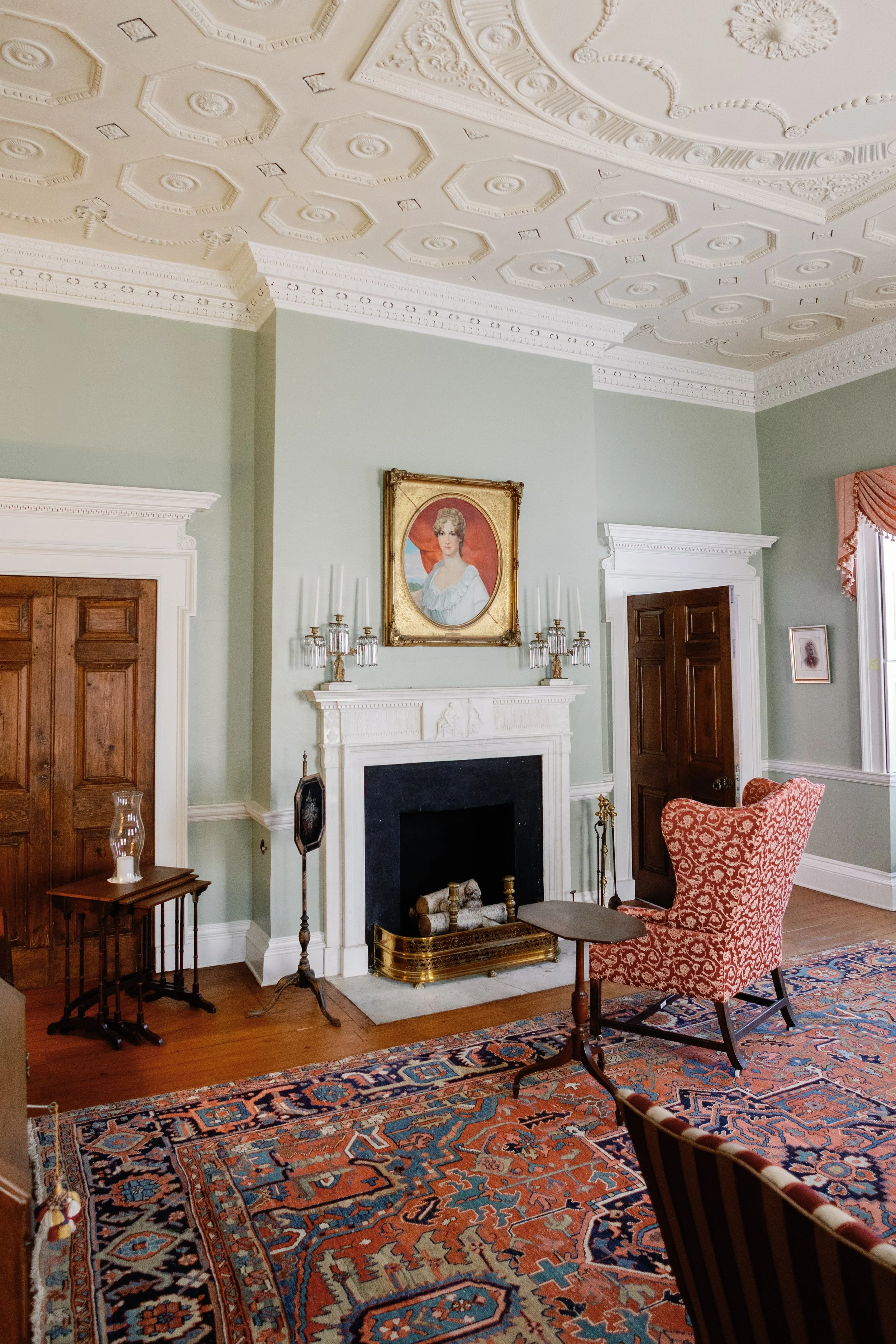
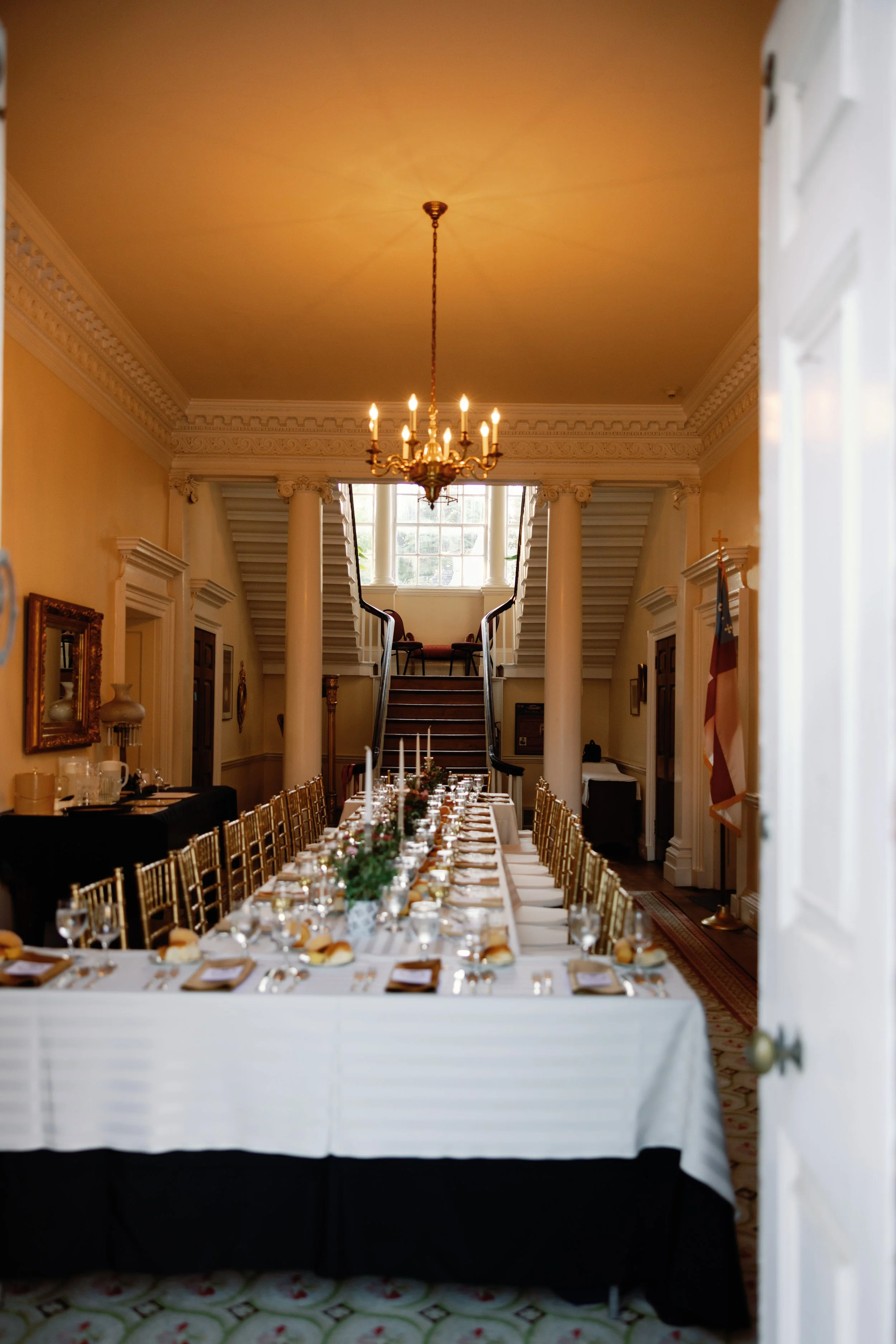
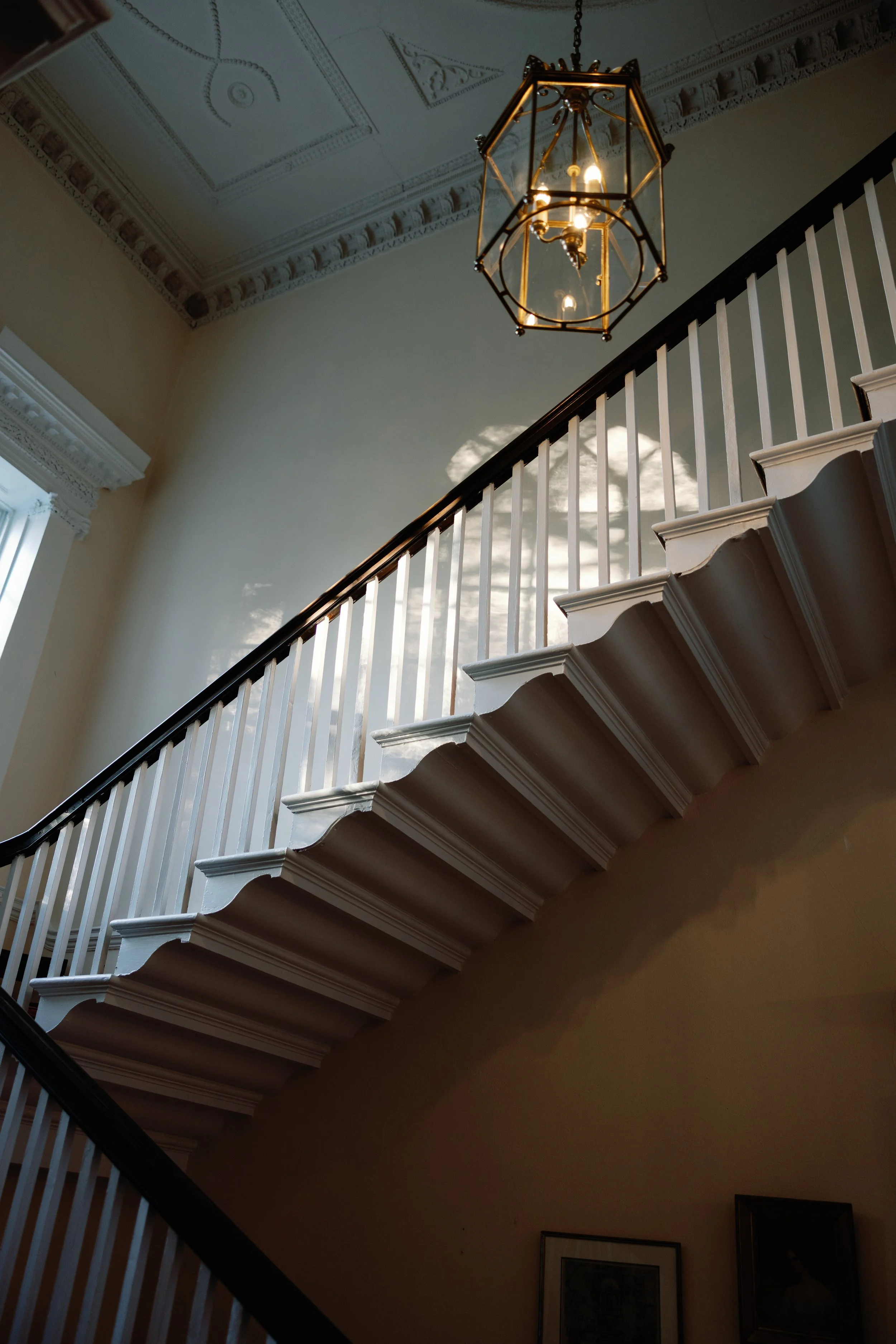
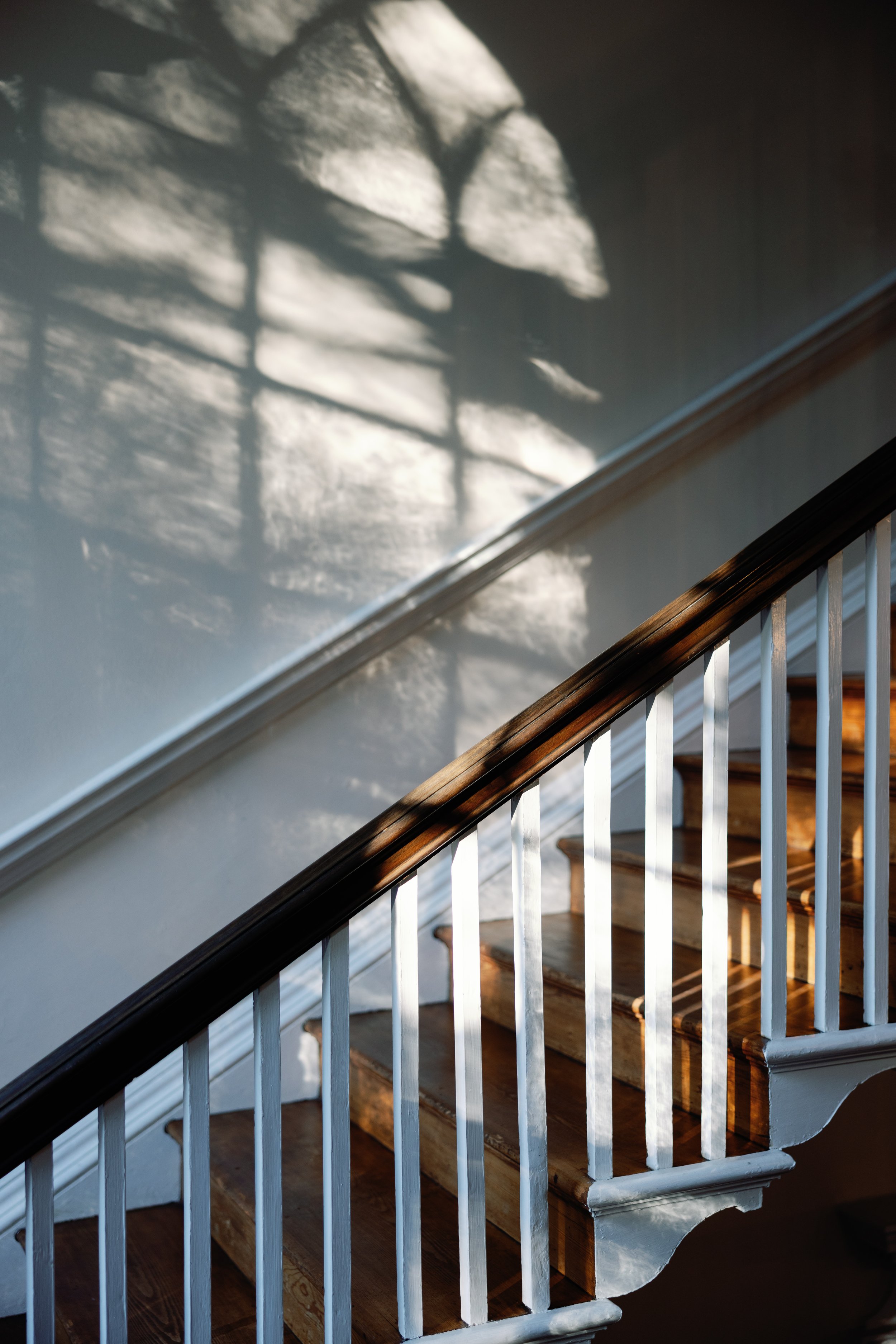
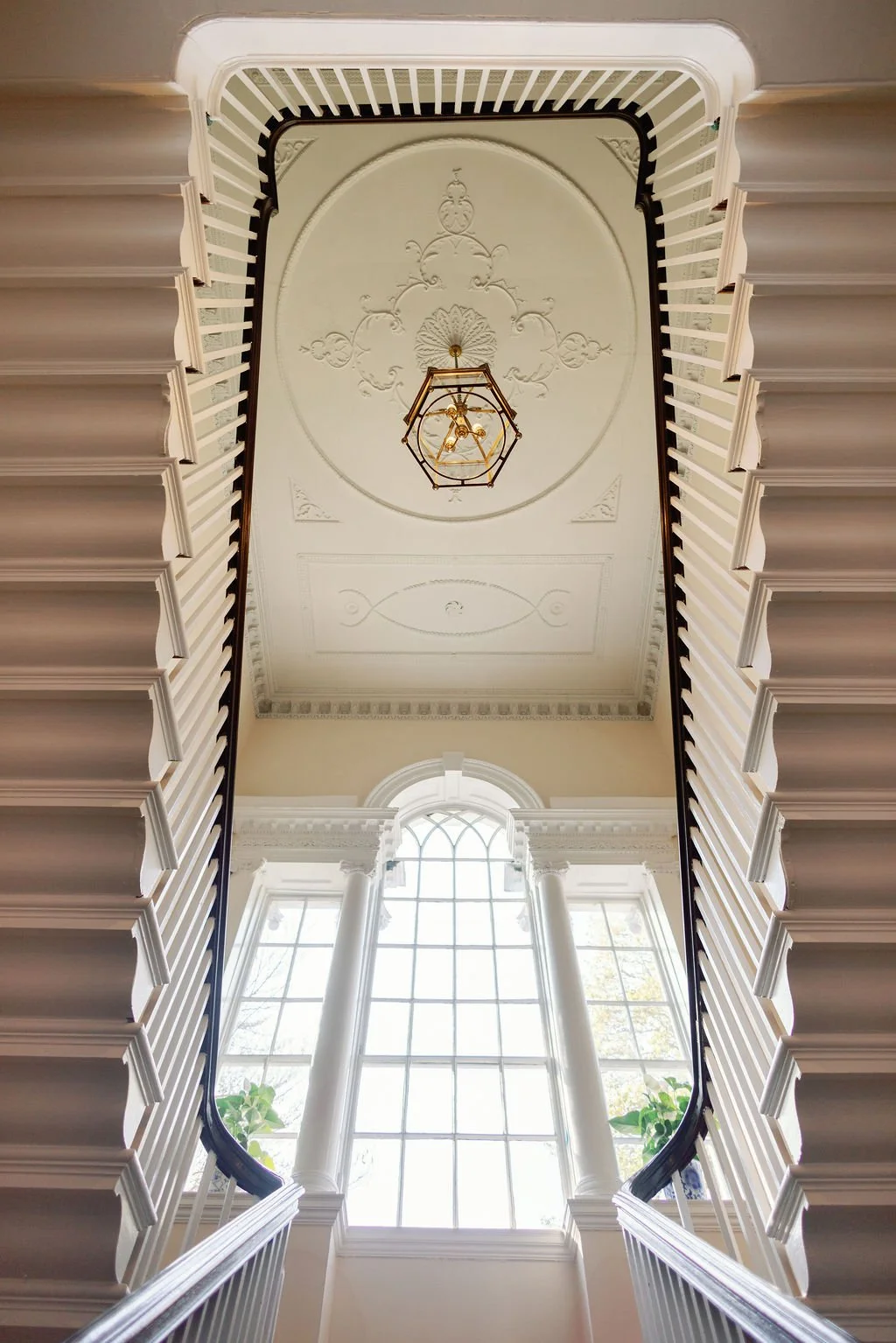
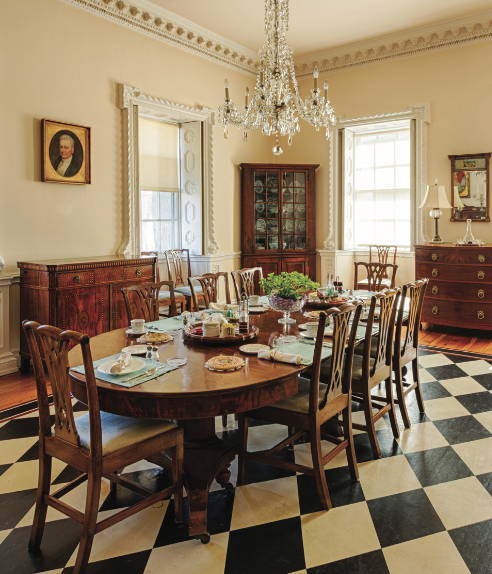
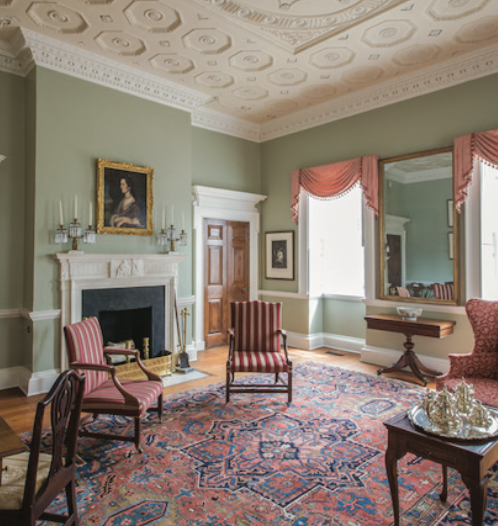
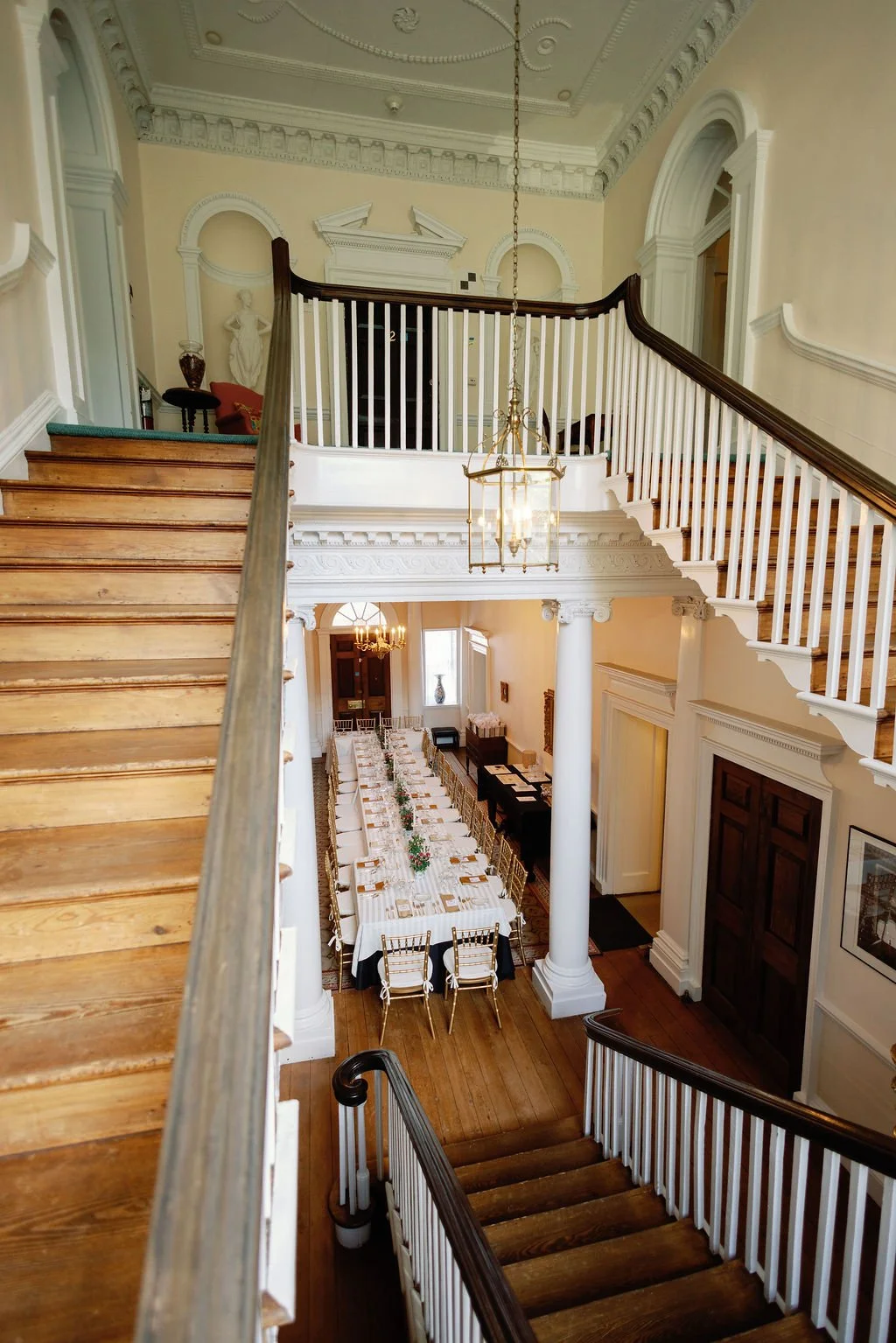
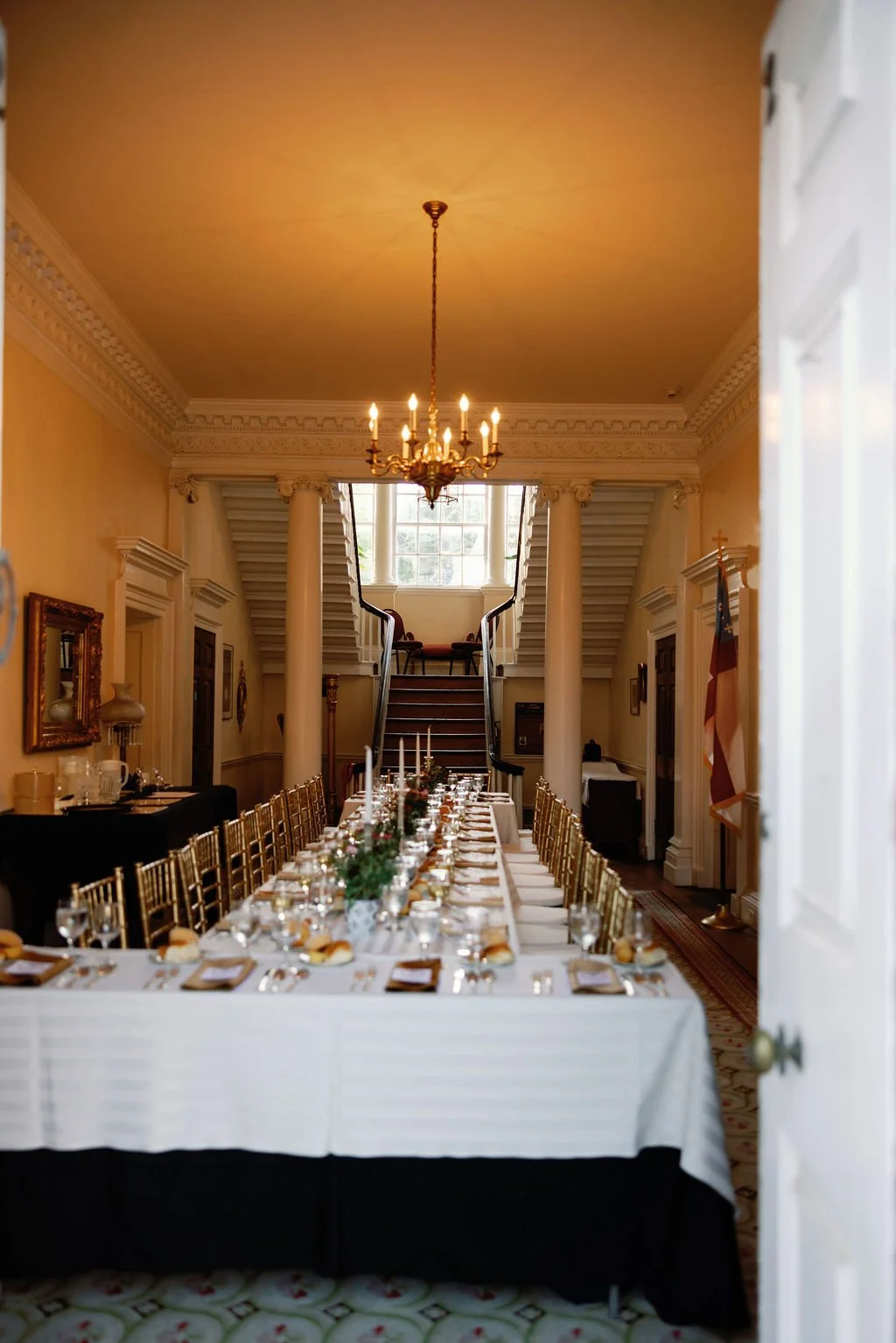
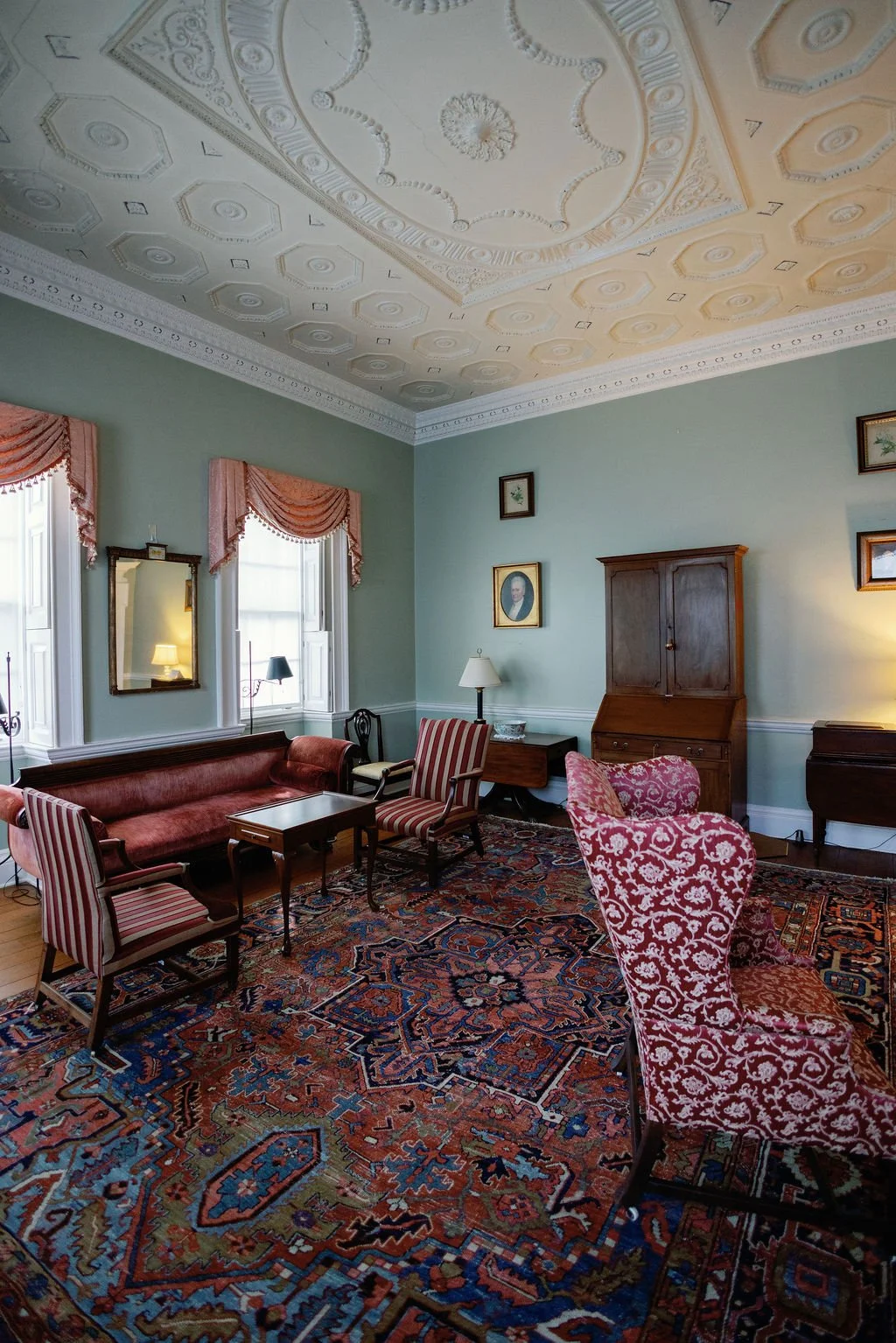
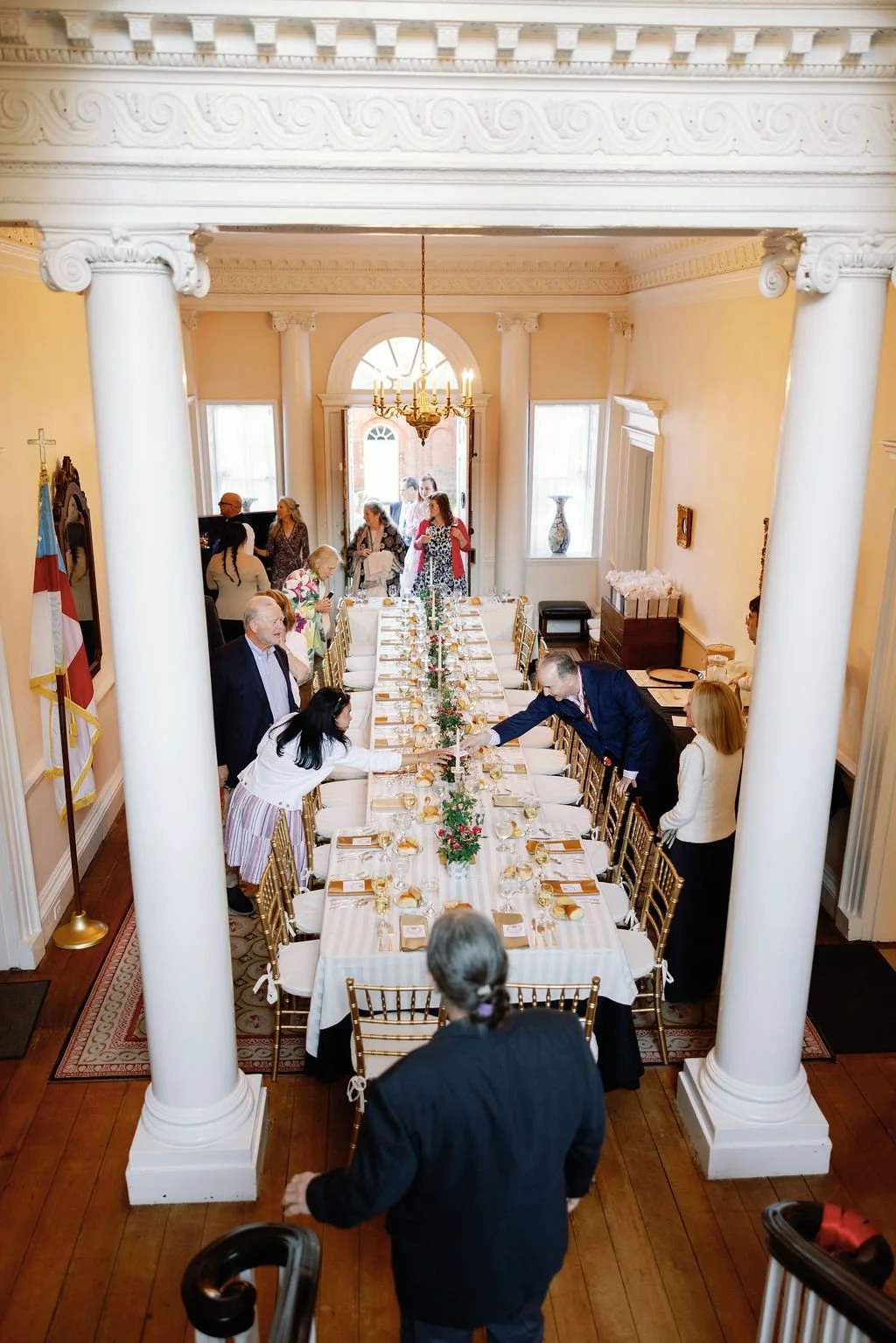
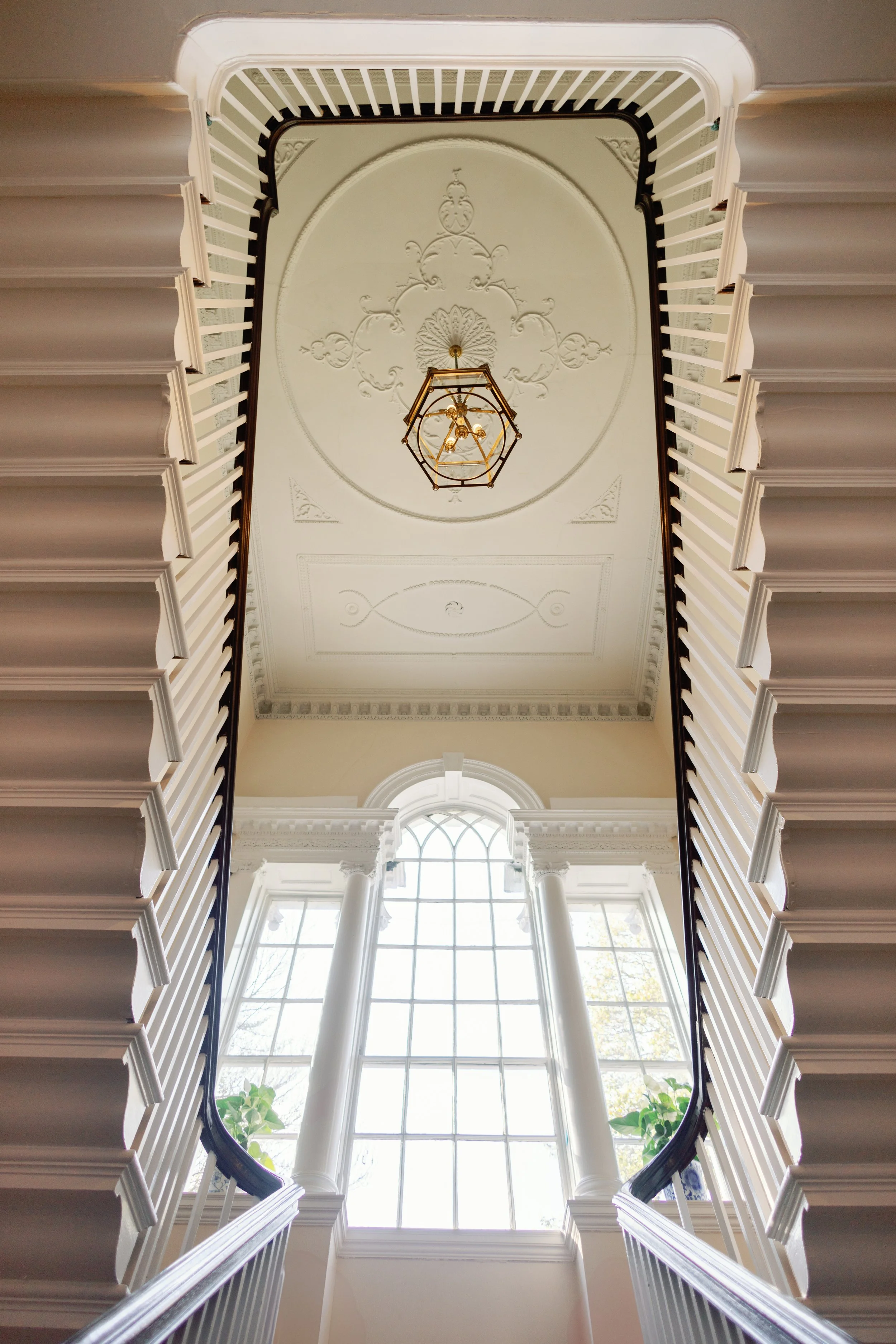
William Buckland continued the perfect Georgian symmetry of the outside of the home on the inside. He even installed false doors to keep the symmetrical aesthetic going on the first floor. The contrast of the austere elegance of the exterior and elaborately decorative moldings and plaster ceilings of the interior are also indicative of the Georgian style. The height of Buckland skill is, however, shown in the central cantilevered staircase and the Palladian window that the first tier of the staircase leads to. Buckland finished the home in 1774.
The Chase-Lloyd House is one of the last of its kind to be built in Annapolis. Though the house has been restored and updated for modern use many times, it has remained true to its initial design.
-
Samuel Chase was born on April 17th , 1741 in Maryland’s Somerset County to the English-born Rev. Thomas Chase and Matilda Walker Chase. Chase was an only child, because, unfortunately, his mother died in childbirth. In 1744, he moves to Baltimore where he was educated primarily by his father in the classics. In 1759 at the age of 18, Chase leaves for Annapolis to study law at the offices of attorney John Hall. He started his own law practice in Annapolis, after he is accepted to the Bar in 1761. The very next year he married Anne Baldwin. They go on to have 7 children together, 3 who die in infancy.
Samuel Chase was an active leader in the Sons of Liberty by the time the Stamp Act comes around in 1763. In 1764, Chase was elected to the Lower House of Maryland’s colonial legislature. He is elected to represent Maryland in the Continental Congress in 1774, where he ardently advocated independence. He, of course, signs the Declaration of Independence in 1776. He then helps Maryland draft its new constitution and is elected to the Maryland house of delegates for every year between 1777 and 1788, but one. Samuel Chase remarries in 1784 to Hannah Kitty Giles (Anne Baldwin died in 1776). They have two daughters together.
Samuel Chase was always a passionate politician and it served him well in the pre-revolutionary and Revolutionary war periods of American history, but he suffers many scandals because of his zeal in the years to come. He is elected once again to the Continental Congress in 1788, and as an anti-federalist voted against the ratification of the Constitution. Alexander Hamilton also revealed his furtive attempts to corner the flour market that year. Thus Chase was forced to momentarily retire from the National stage. Bankrupt and charged with corruption, Chase managed to obtain a position as a local judge for Baltimore County. In 1791, he also obtained the position of chief judge of the Maryland General Court and held them simultaneously. Upset by this, the state assembly tried to get Chase removed from both position, but they fail.
In 1796, Chases fortunes take a turn for the better. Remembering his legal prowess and passion during the revolution, the now president George Washington appointed Samuel Chase to the Supreme Court. In several cases, Chases supported federal law over state law and defined ex post facto in Calder v. Bull. In a drastic change of position from his revolutionary days, Chase made several important decisions on the bench in favor of strengthening the power of the federal government. Under federalist president John Adams, Chase became highly critical of the opposing Democratic-Republican Party and a vocal supporter of the controversial Alien and Sedition Act. In a turning of the political tides, democratic-republican Thomas Jefferson is elected president in the next election. In 1804, president Jefferson and the democratic-republican controlled senate try to impeach Samuel Chase for having a judicial bias. To this day, Chase is the only Supreme Court justice to have been impeached. Since he never actually committed a crime, the senate failed to get the two-thirds majority they needed to impeach him. Chases acquittal established the Supreme Court as a completely separate branch of government, not controlled by the executive branch. It also chastened the justices into maintaining political objectivity.
Chase stayed on the Supreme Court until his death is 1811. He is buried in St. Paul’s cemetery in Baltimore.
-
Edward Lloyd the fourth was a fifth generation Maryland planter. His family had lived on the Wye plantation in Talbot County on the eastern shore since 1649. He was one of the 3 children of Edward Lloyd III and Anne Rousby Lloyd who survived to adulthood. He was educated by private tutors from King William’s College (now St. Johns College). Lloyd married Elizabeth Tayloe in 1767 and they had seven children together, six daughters and one son. Upon his father’s death in 1770, he inherited a large portion of his father’s estate. Despite having fewer holdings than his father, Lloyd’s plantations were actually more profitable. He grew tobacco, like most plantation owners did, but also grain and livestock.
The Lloyds were a politically active and influential family. In 1771, Edward Lloyd IV was elected to represent Talbot County at the Maryland General Assembly. He bought and completed the Chase-Lloyd House for him and his family to live in while he was in office. Several of his children were born here and his youngest daughter, Mary Tayloe, was married to Francis Scott Key, the writer of the National Anthem, here in 1802.
Lloyd was re-elected in 1773, which would be the last election in Maryland under the rule of Lord Baltimore. After the revolution, Lloyd was on the executive council of the first Governor, Thomas Johnson, under Maryland’s new constitution for the first three years of the new government. In 1780 he was elected a Delegate to the Lower House of Assembly from Talbot County, and then in 1781 he was chosen by the Electoral College to be the State Senator for the Eastern Shore. In 1781, the revolutionary war was not over. British troops razed the Wye plantation and stole gold, silver jewelry and 8 slaves. Luckily none of the Lloyd family was home. Despite this scare, Lloyd served as a state senator until his death. He also served as a congressional senator in 1783 and 1784 under the Articles of Confederation. Though he did not attend the first Continental Congress (the one that wrote up the Declaration of Independence) he did attend the Continental Congress of 1788. This was the Continental Congress in which the Constitution was proposed and ratified. Lloyd, unlike Samuel Chase, voted for ratification.
In 1796, Lloyd died and was buried in his family cemetery at the Wye house. The Wye house is still owned and lived in by his decedents today.
-
The Harwood’s owned the house until 1846, when they sold it to Hester Anne Chase for $5000. Chase’s father was Jeremiah Chase, a cousin of Samuel Chase, so the ownership of the Chase-Lloyd House had finally come full circle. As an un-married woman with no children of her own, she had bought the home to raise her three orphan nieces, Matilda, Francis, and Hester, in. The Chase-Lloyd House was also conveniently right across the street from the home of her still living sister. Chase was regarded as the wealthiest woman in Annapolis. She was one of the incorporating members of the Annapolis water company and one of the top investor at the Annapolis Gas Light Company.
Hester Anne Chase Ridout and her sisters inherited the house when their aunt died. By 1885, both Francis and Matilda had died in the house, leaving Hester as the sole heir. She wrote up her will in 1886, establishing the house as an independent living facility for elderly woman, and set up a board of trustees to run the house according to the requirements of her will. The board of trustees has now been successfully running the house now for over a century.
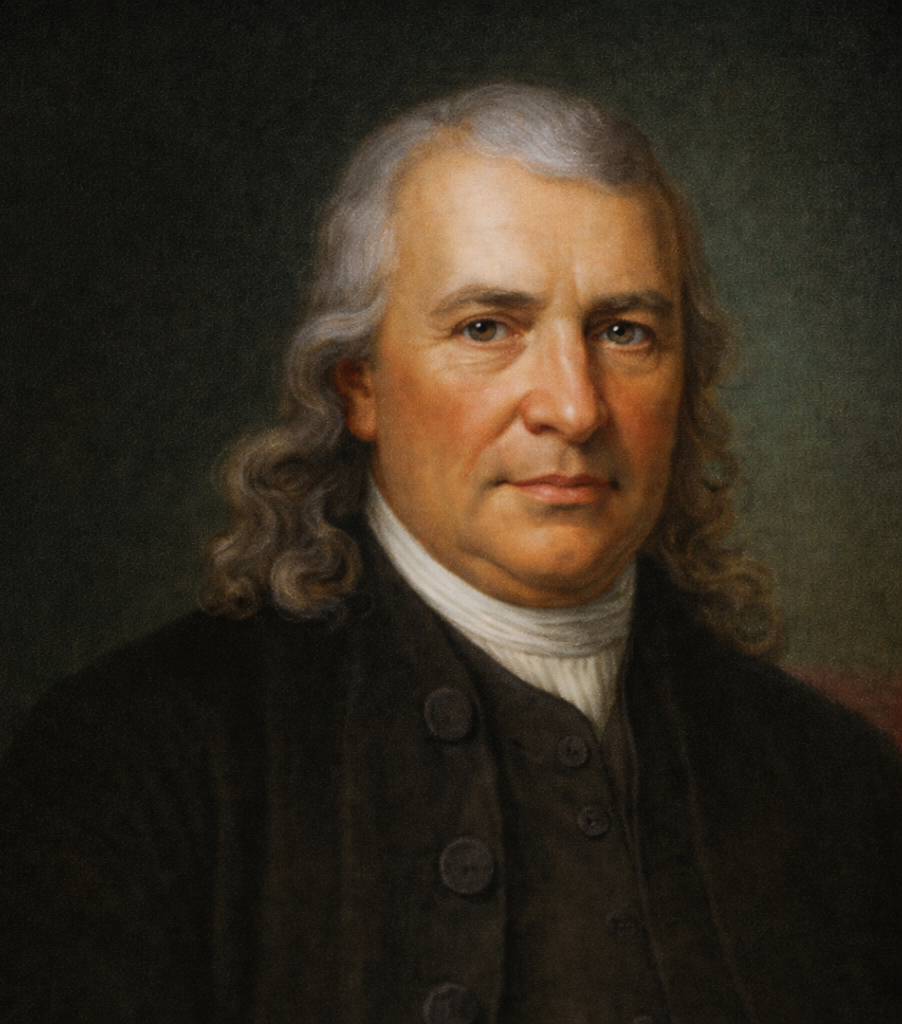
Samuel Chase
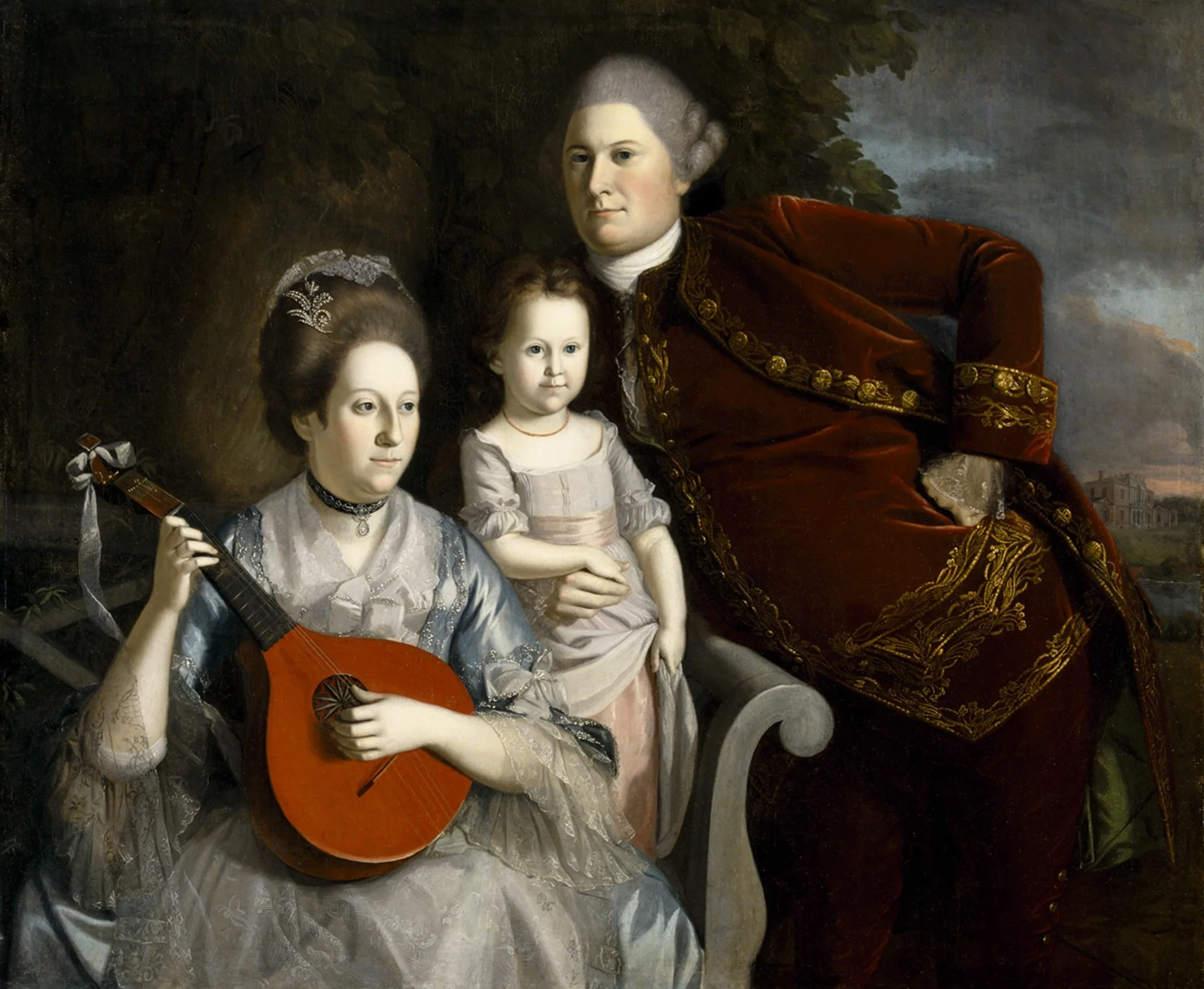
Edward & Elizabeth Lloyd IV
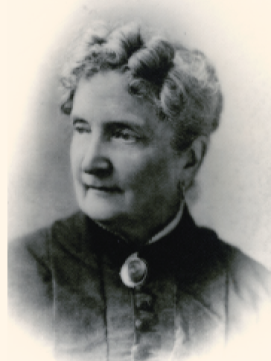
Hester Anne Chase Ridout
GALLERY


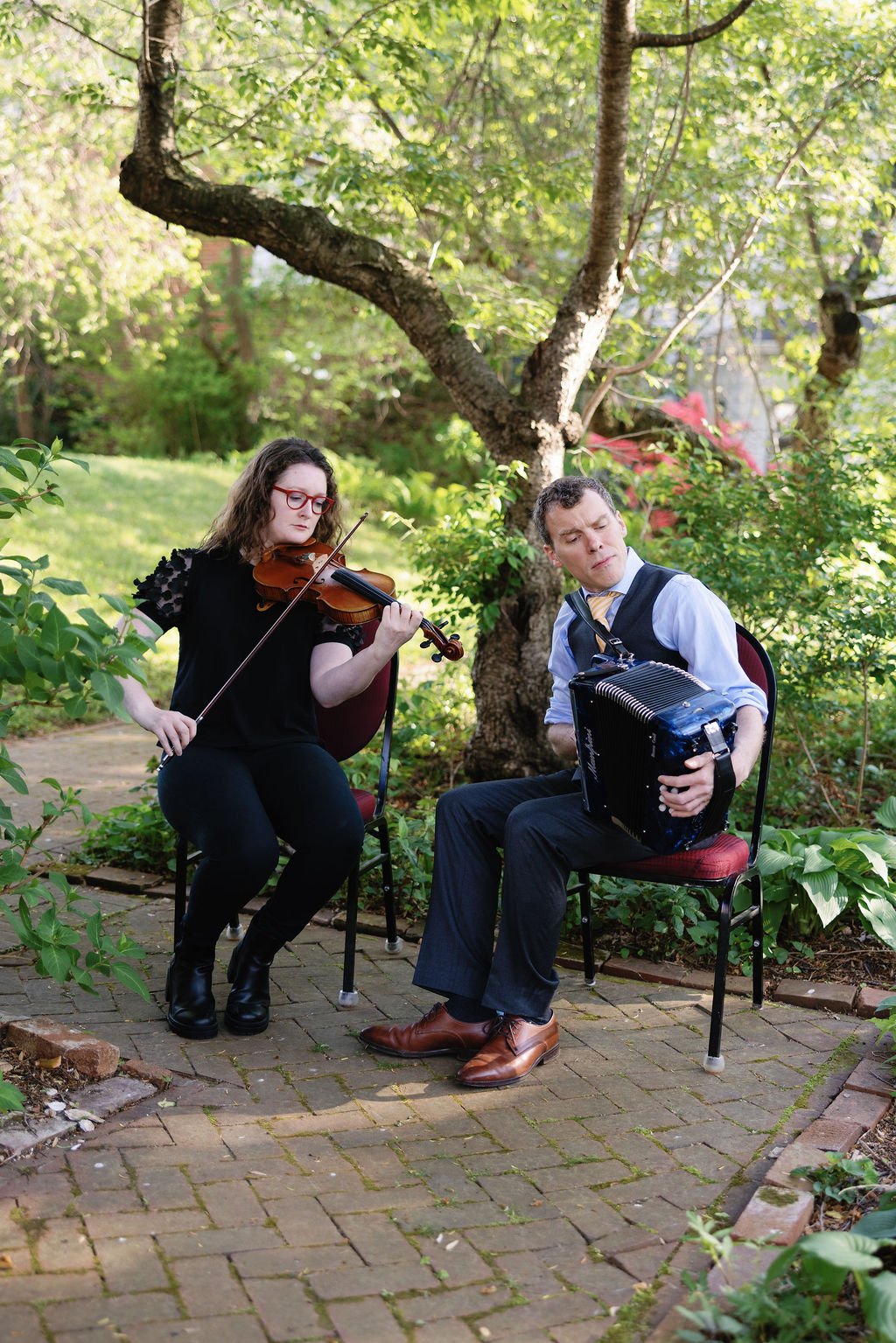
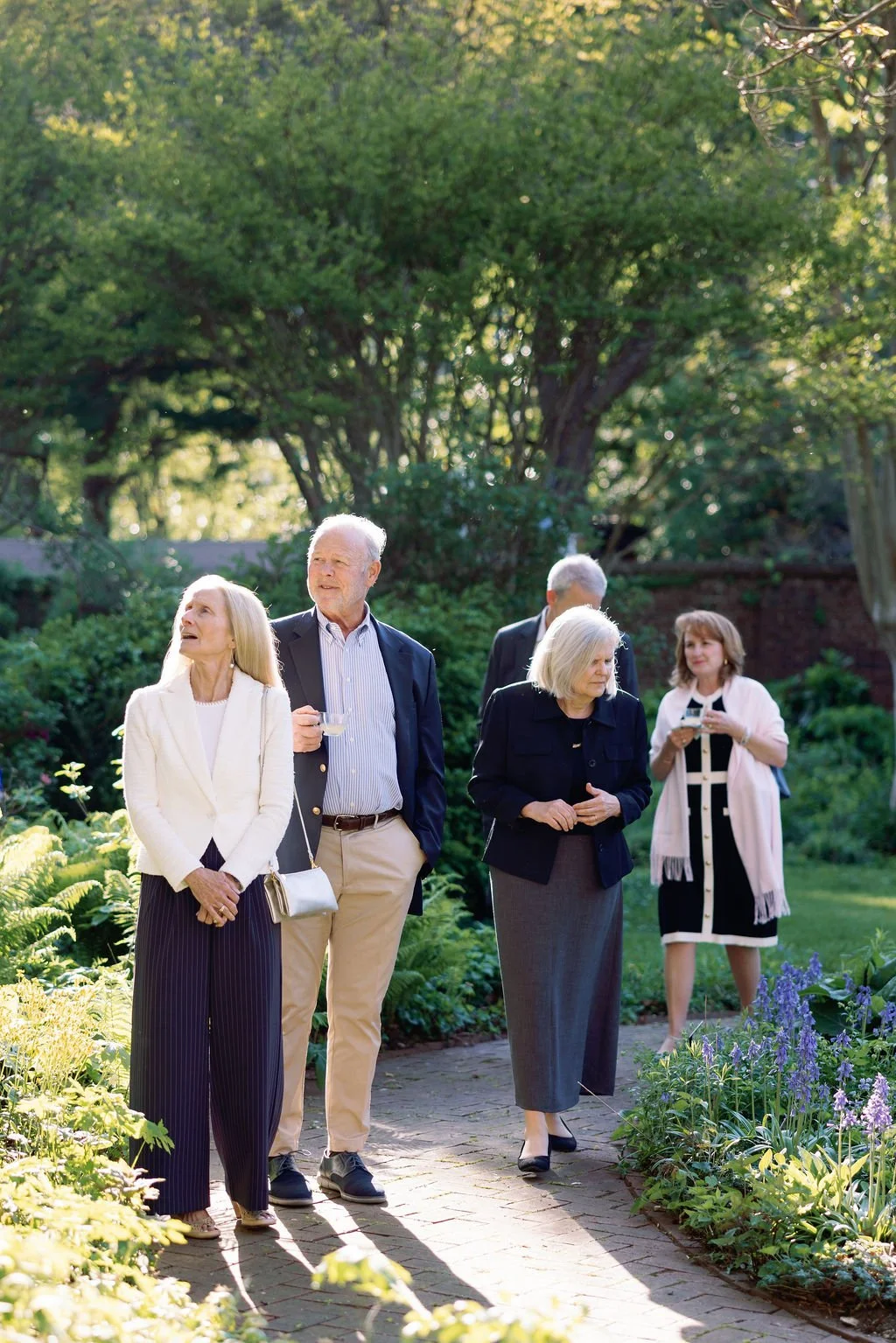
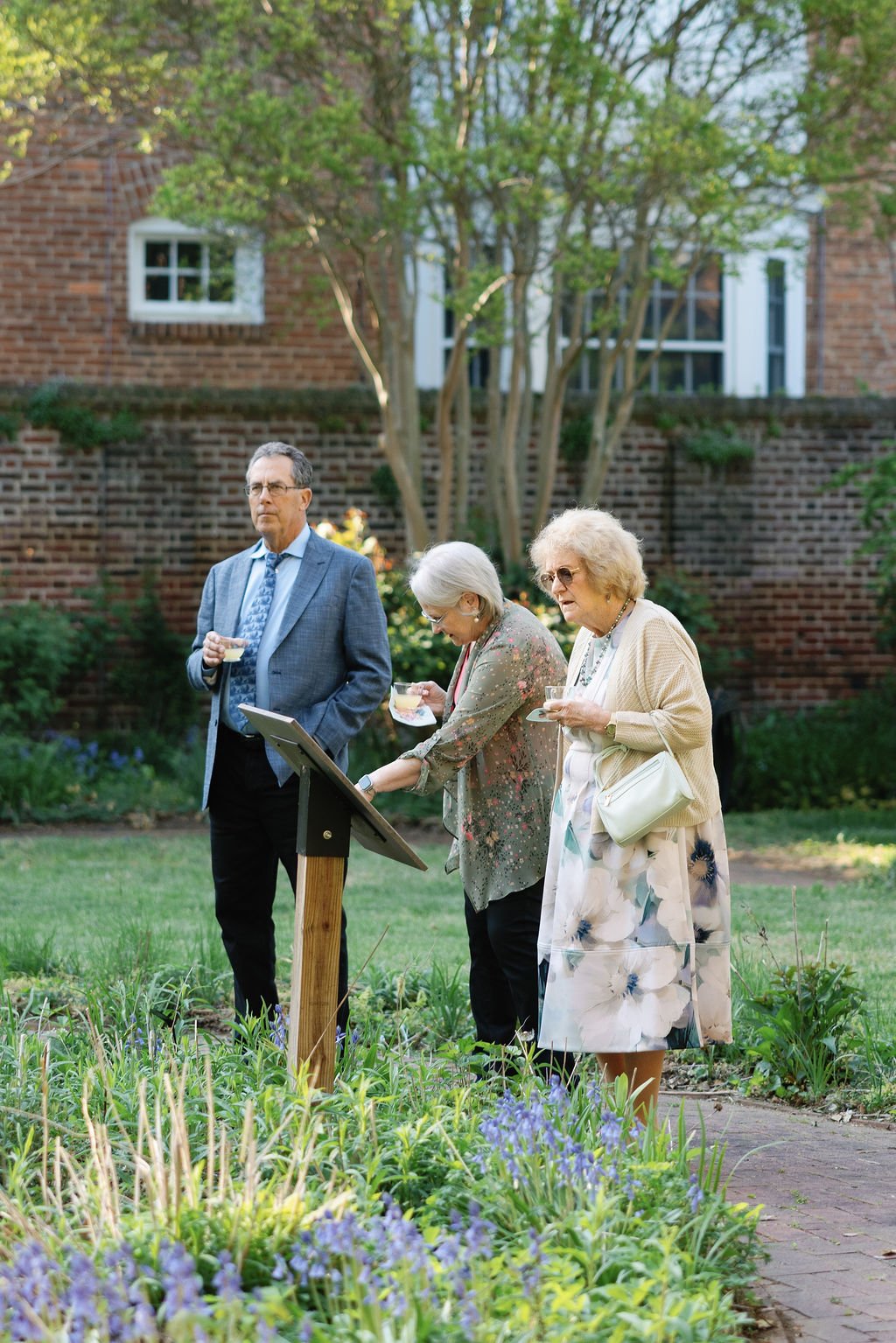
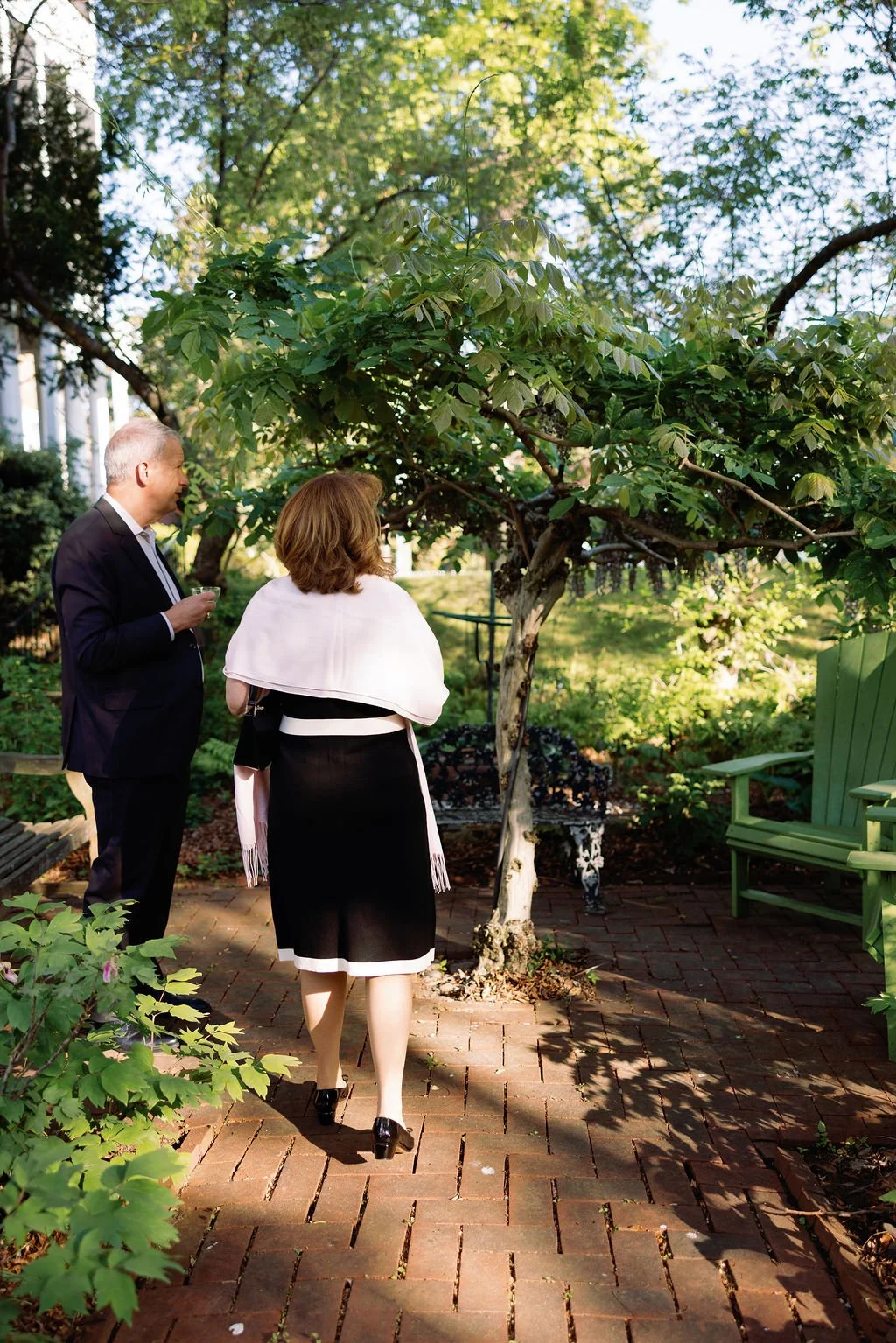

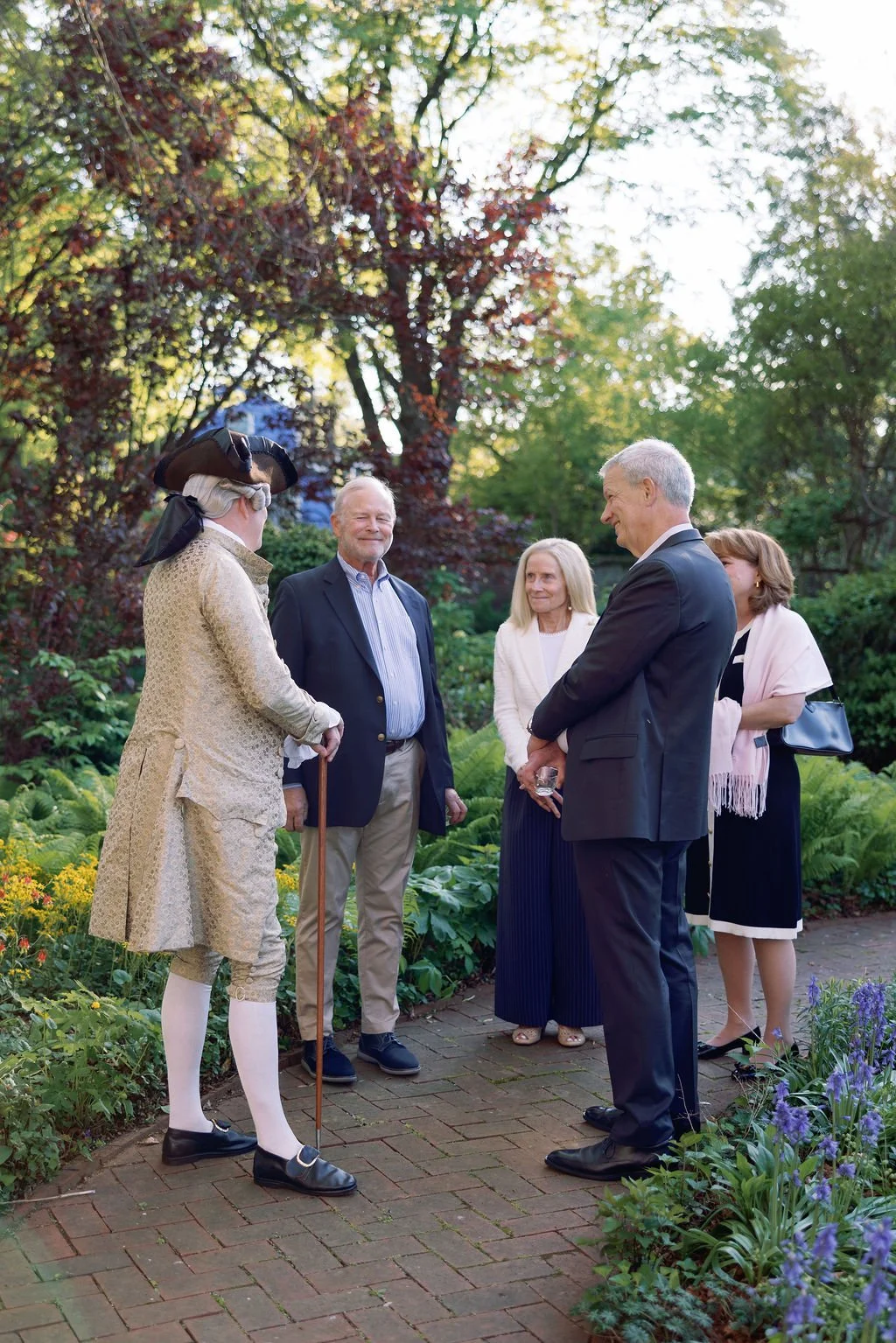
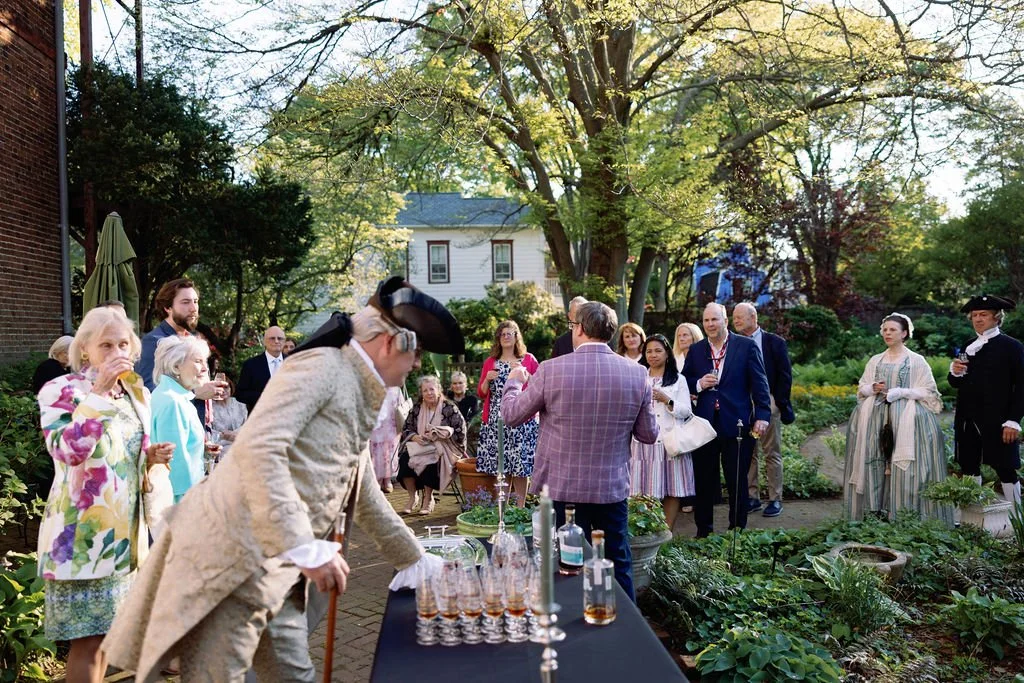
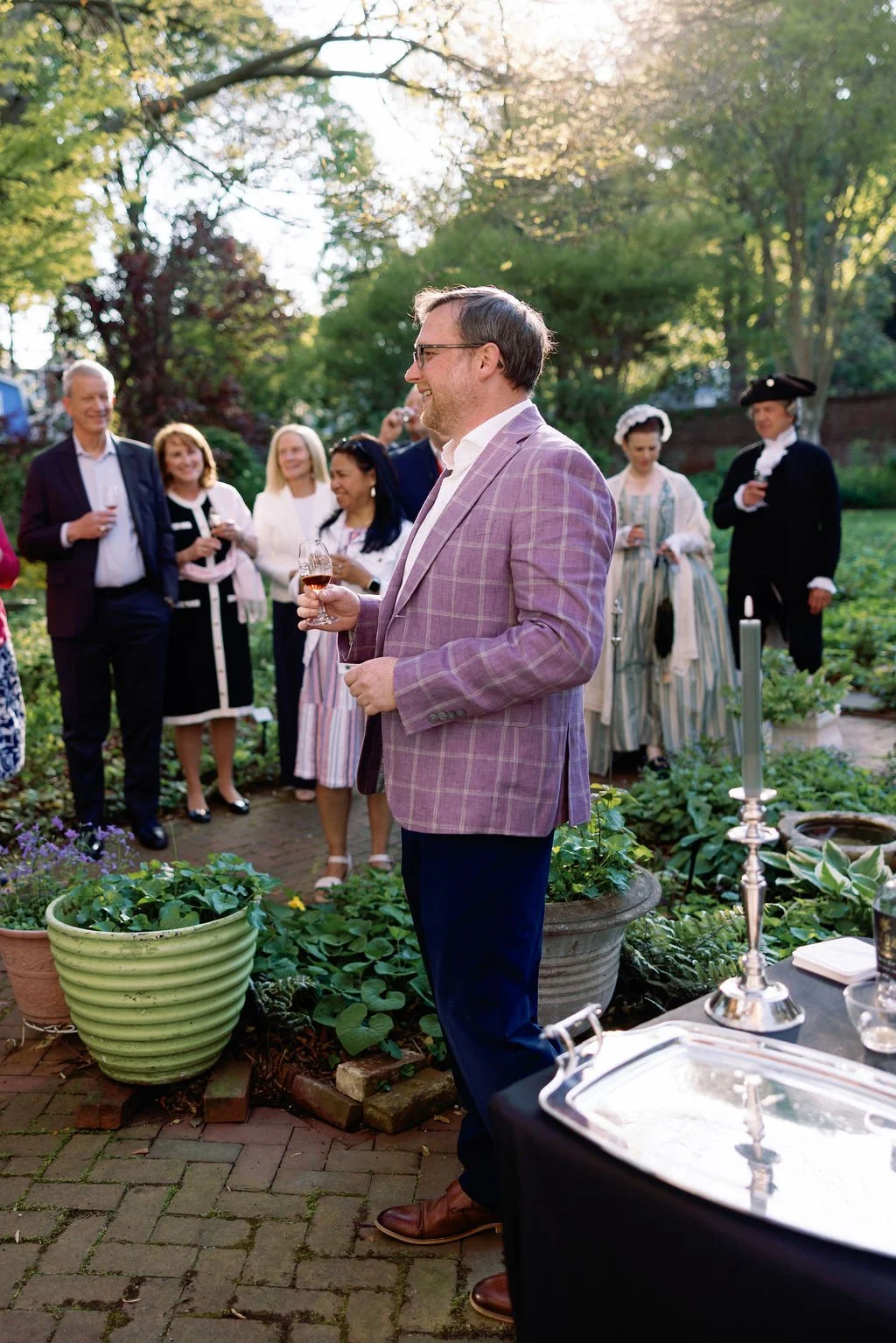

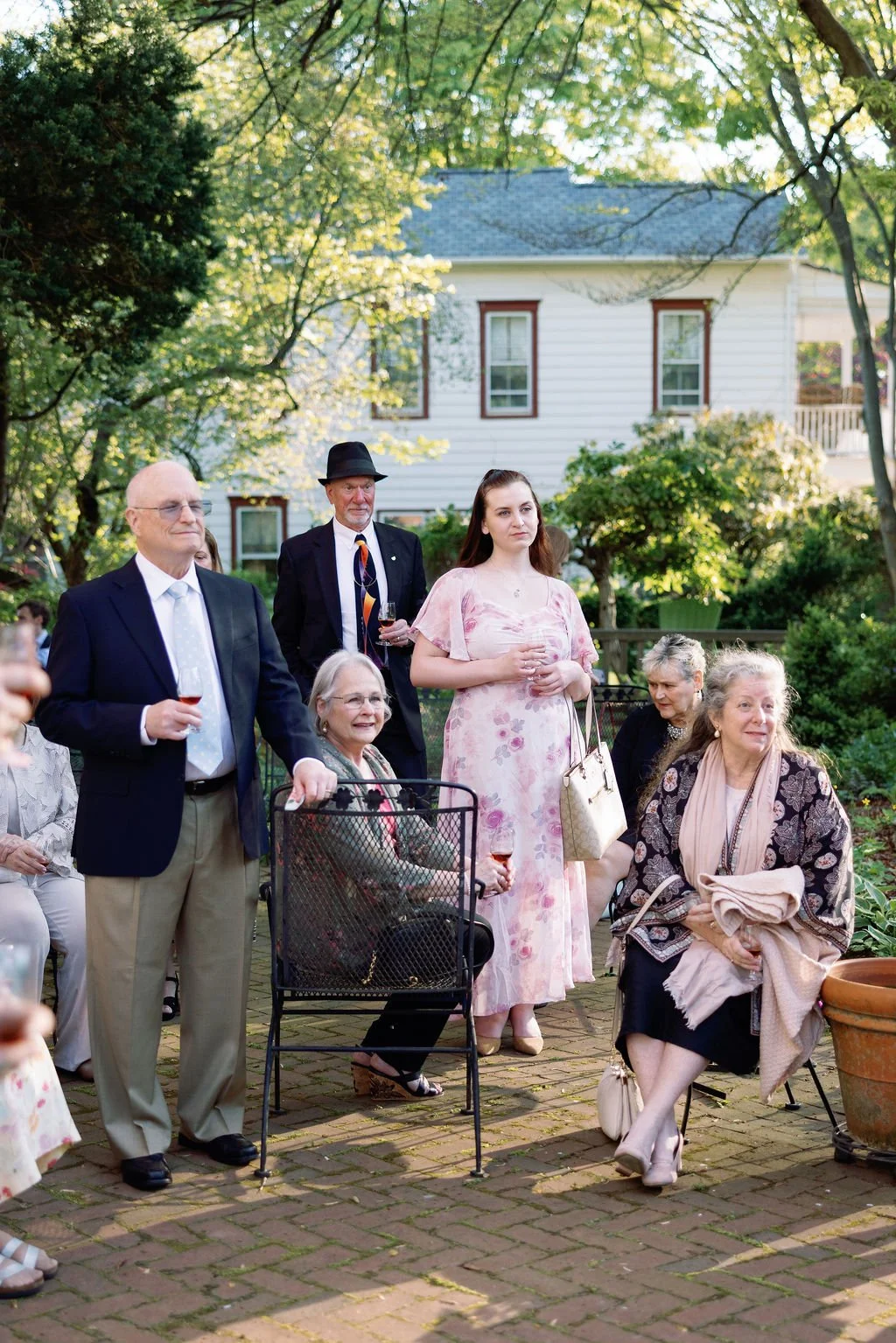



PRESERVATION
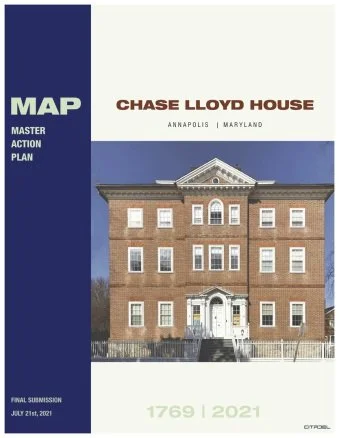
The Chase Home Board of Trustees, responsible for the care of the historic Chase-Lloyd House property, continue their stewardship of the National Historic Landmark with the following building assessment and preservation efforts:
John Milner Associates Preservation completed a comprehensive Building Condition Assessment (BCA)of the Chase-Lloyd House and compared results to a 2000 BCA.
Hired Tidewater Inc. to conduct a Health and Safety Assessment Report.
Contracted Citadel DCA, experts in historic preservation, architecture, planning and design, to complete a Master Action Plan for Preservation and Repairs based on the findings of the Building Condition Assessment and Health and Safety Assessment Reports.
In partnership with University of Maryland's School of Architecture, Planning and Preservation, completed laser scanning and photogrammetry of the interior and exterior of the Chase-Lloyd House to assist in future preservation work.
Removed a 1,000 gallon oil tank and conducted archeological investigations of the Chase-Lloyd House grounds upon removal.
Donated archeological items to the Maryland Historical Trust for research.
Funded by a Preservation Maryland Grant Award, completed the first phase of the Venetian Window restoration project with Keystone Preservation Group's Analysis of Selected Historic Finishes.
Completed repairs of the South Portico porch and fire escape, the sole fire egress for the Chase-Lloyd House.
Added Security and Safety measures.
Chase-Lloyd House at 250 is both a study of the history of the Chase-Lloyd House in Annapolis, Maryland, and a demonstration of the role of preservationists in the treatment of historic places.





GARDENS
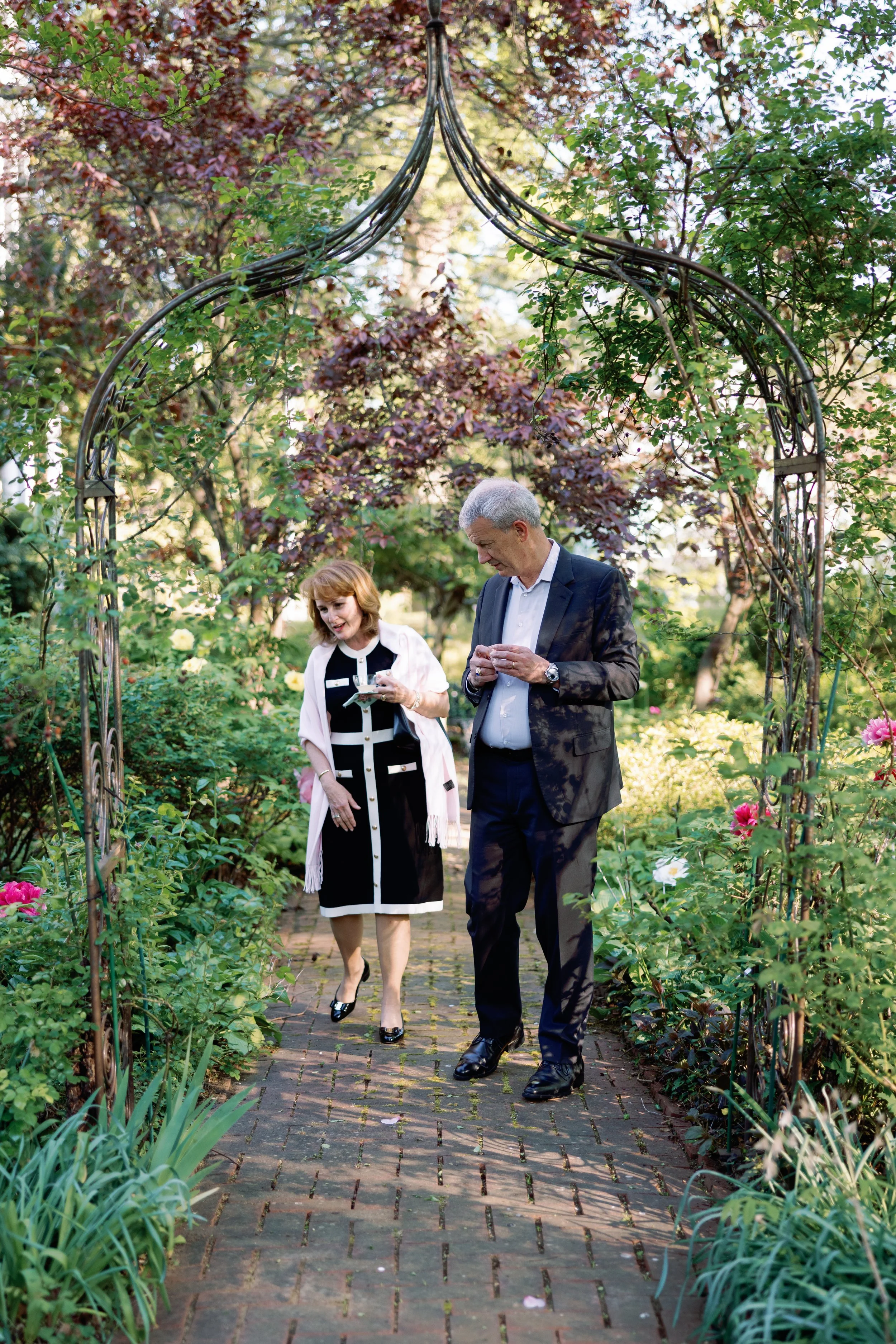
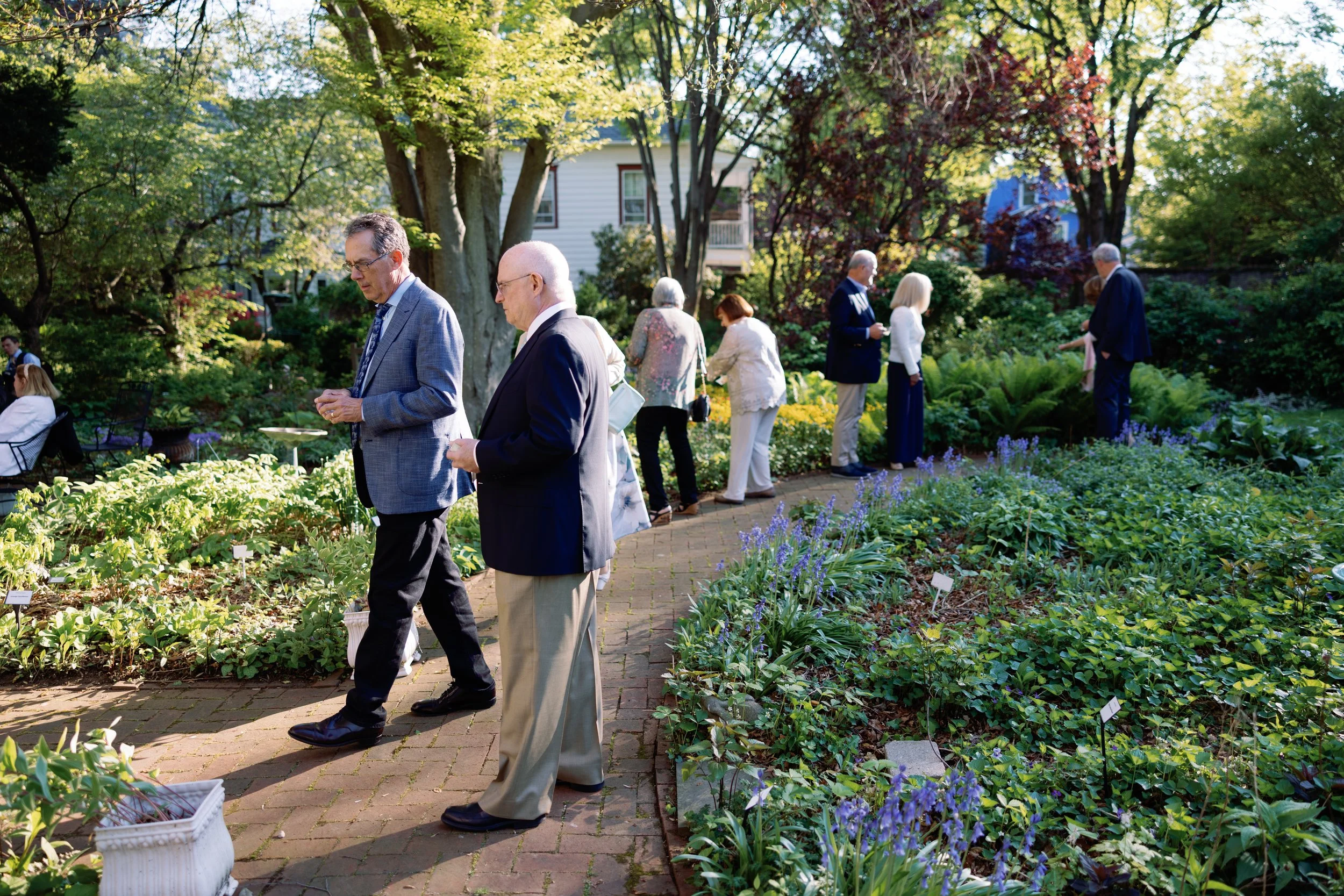
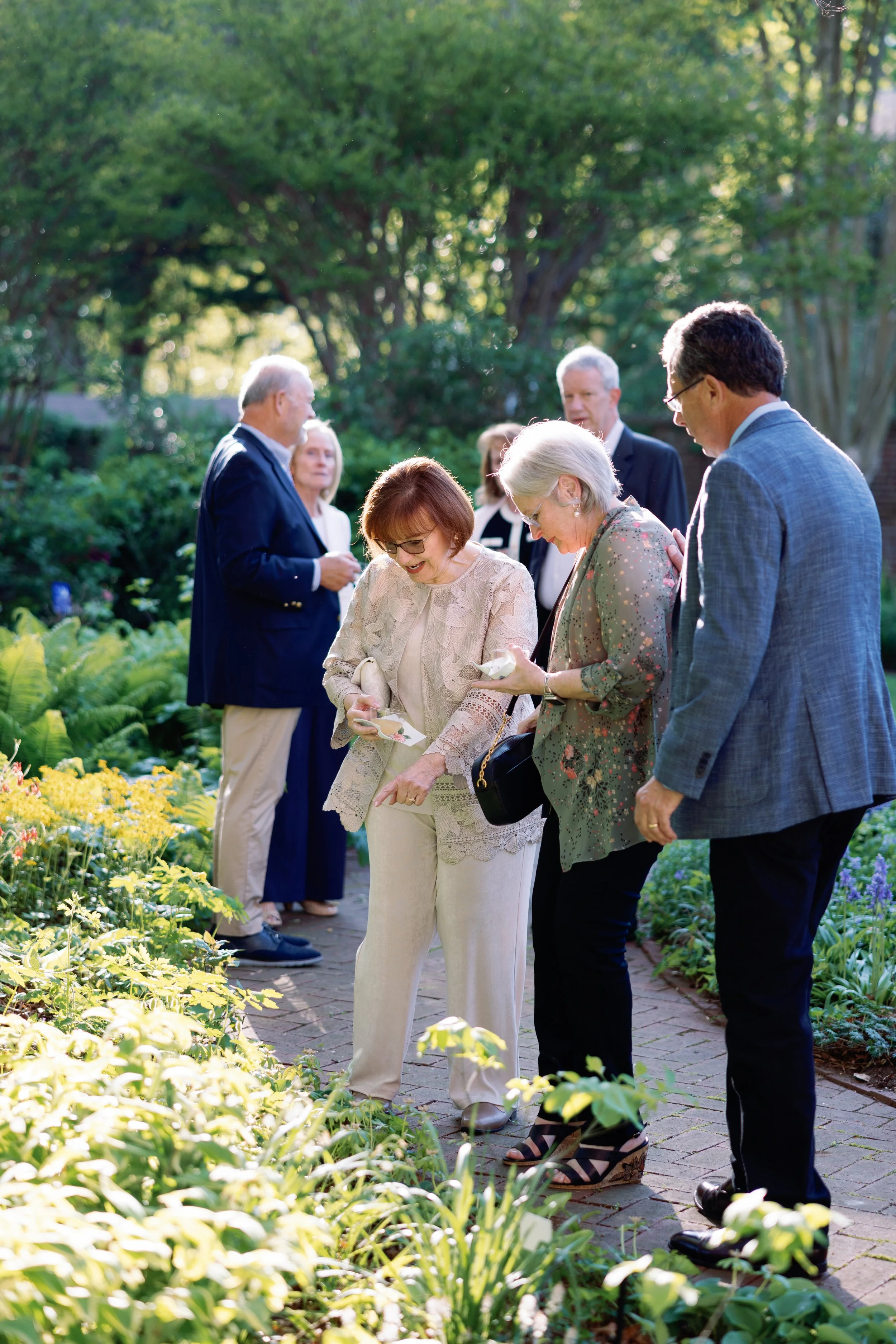
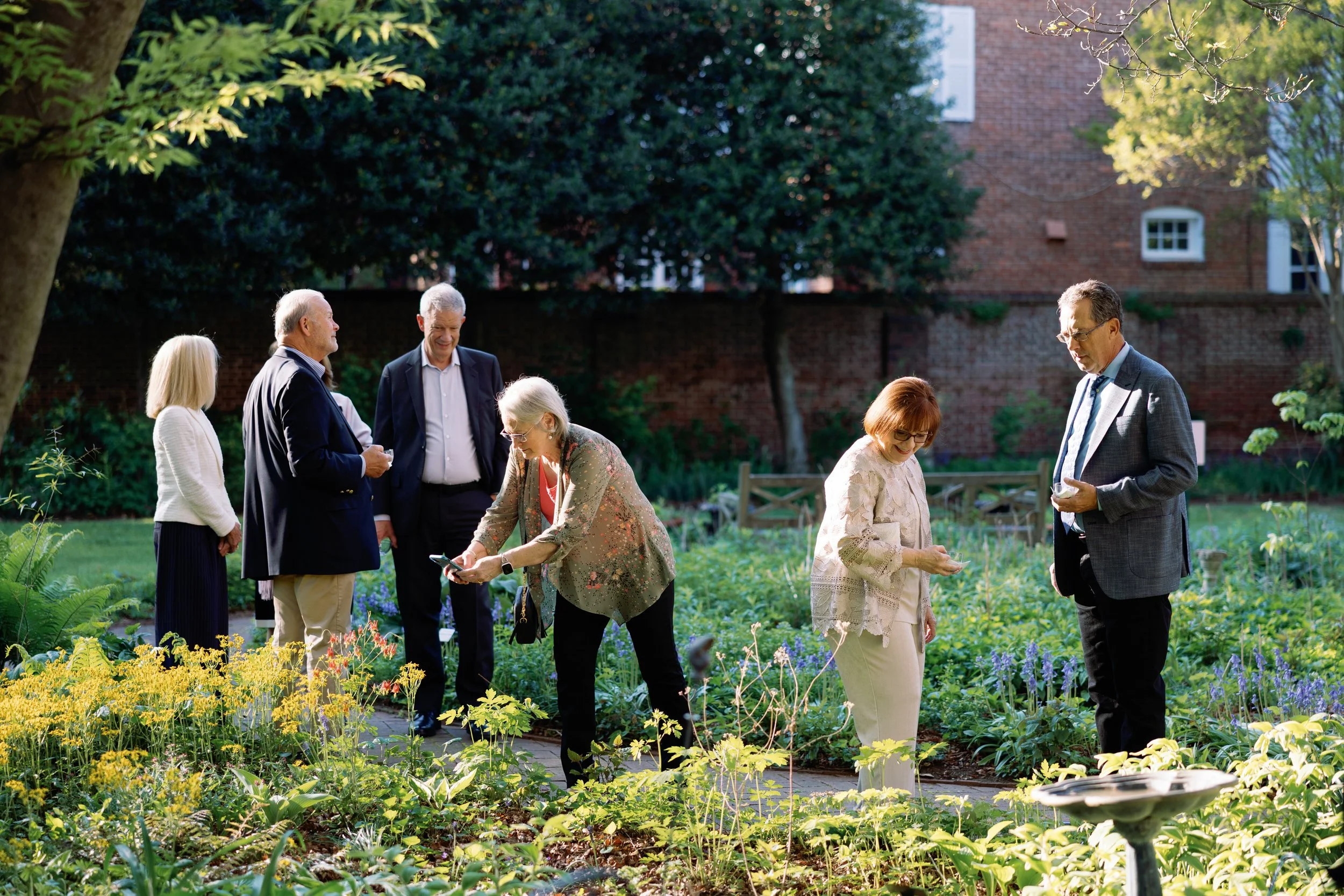
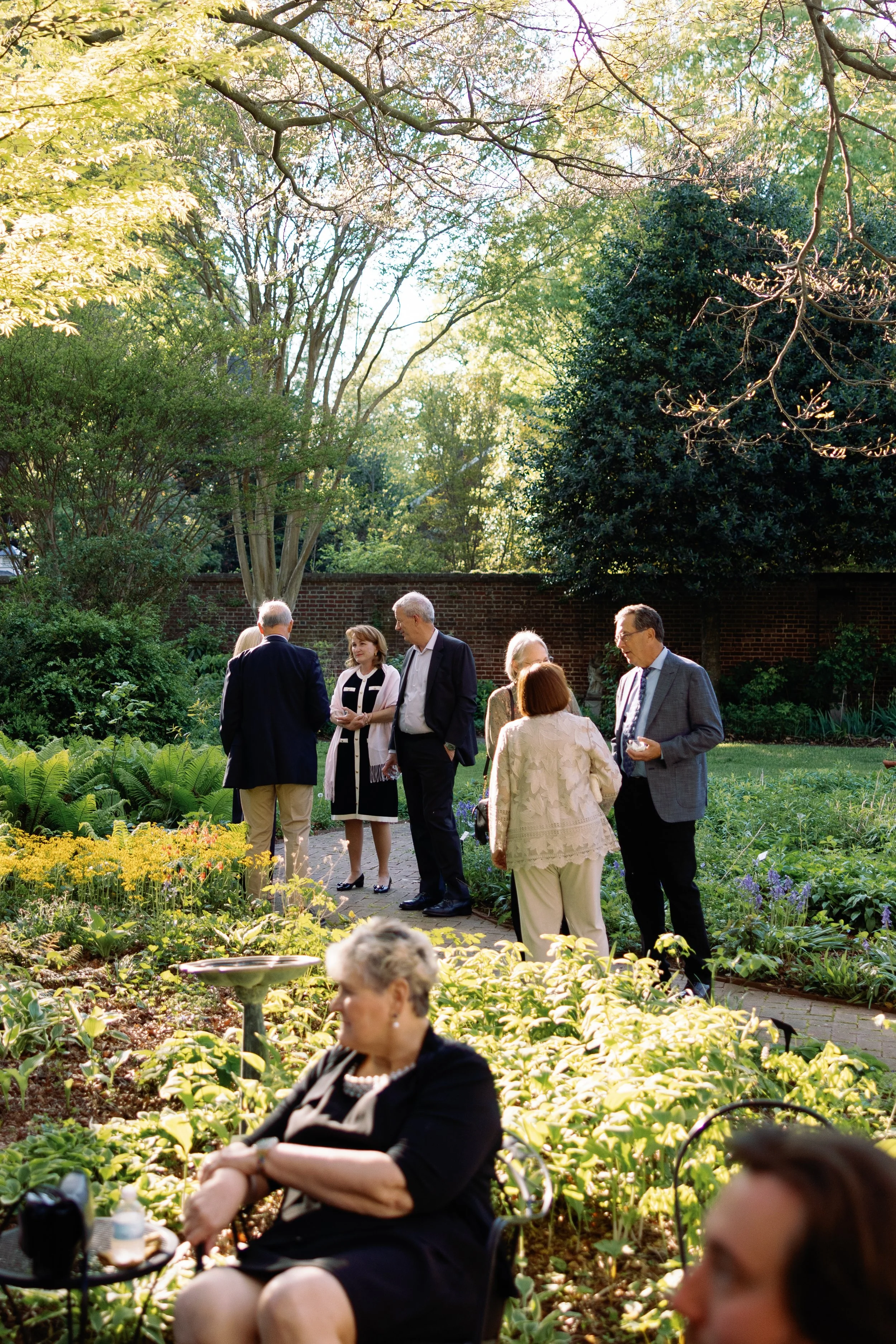
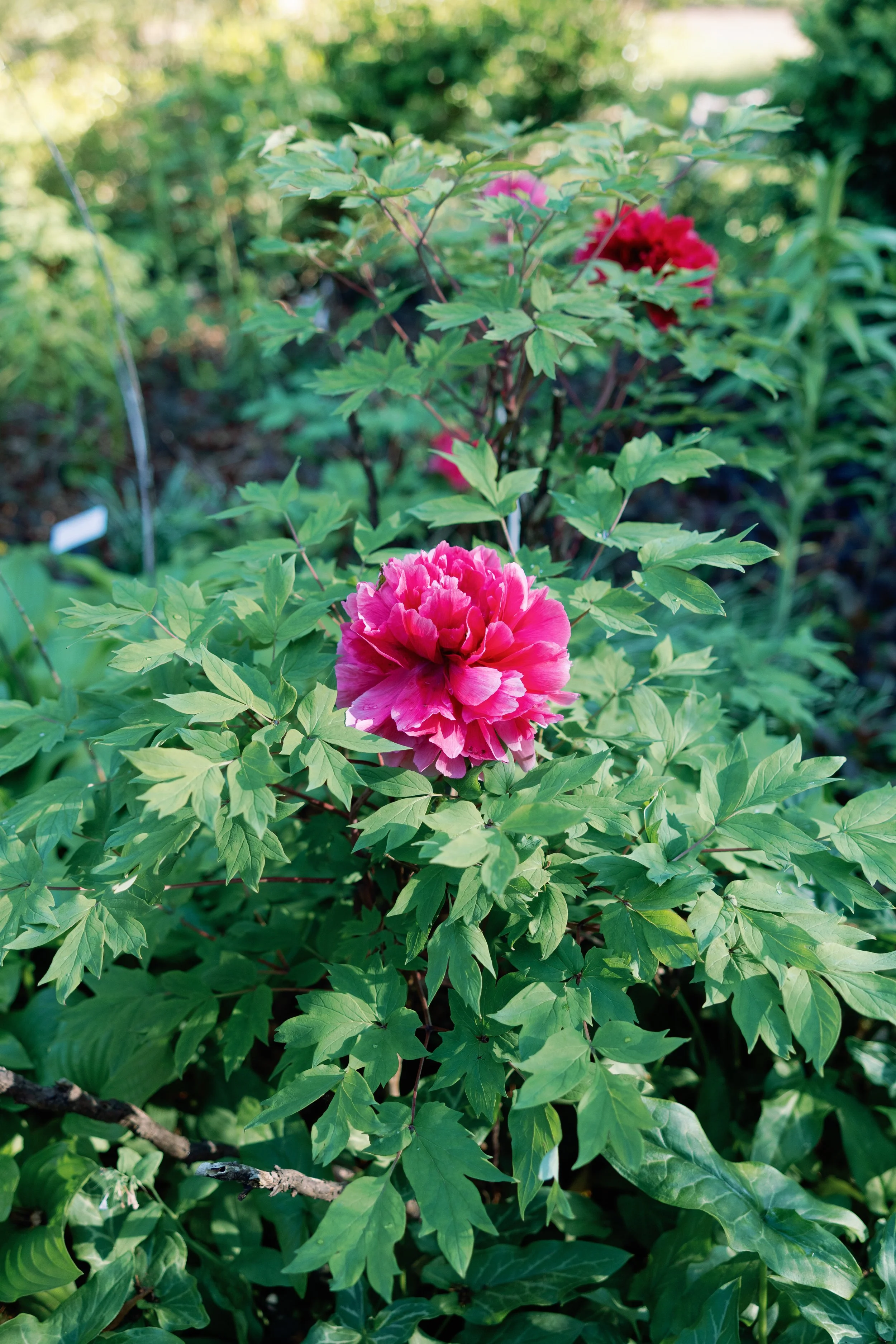
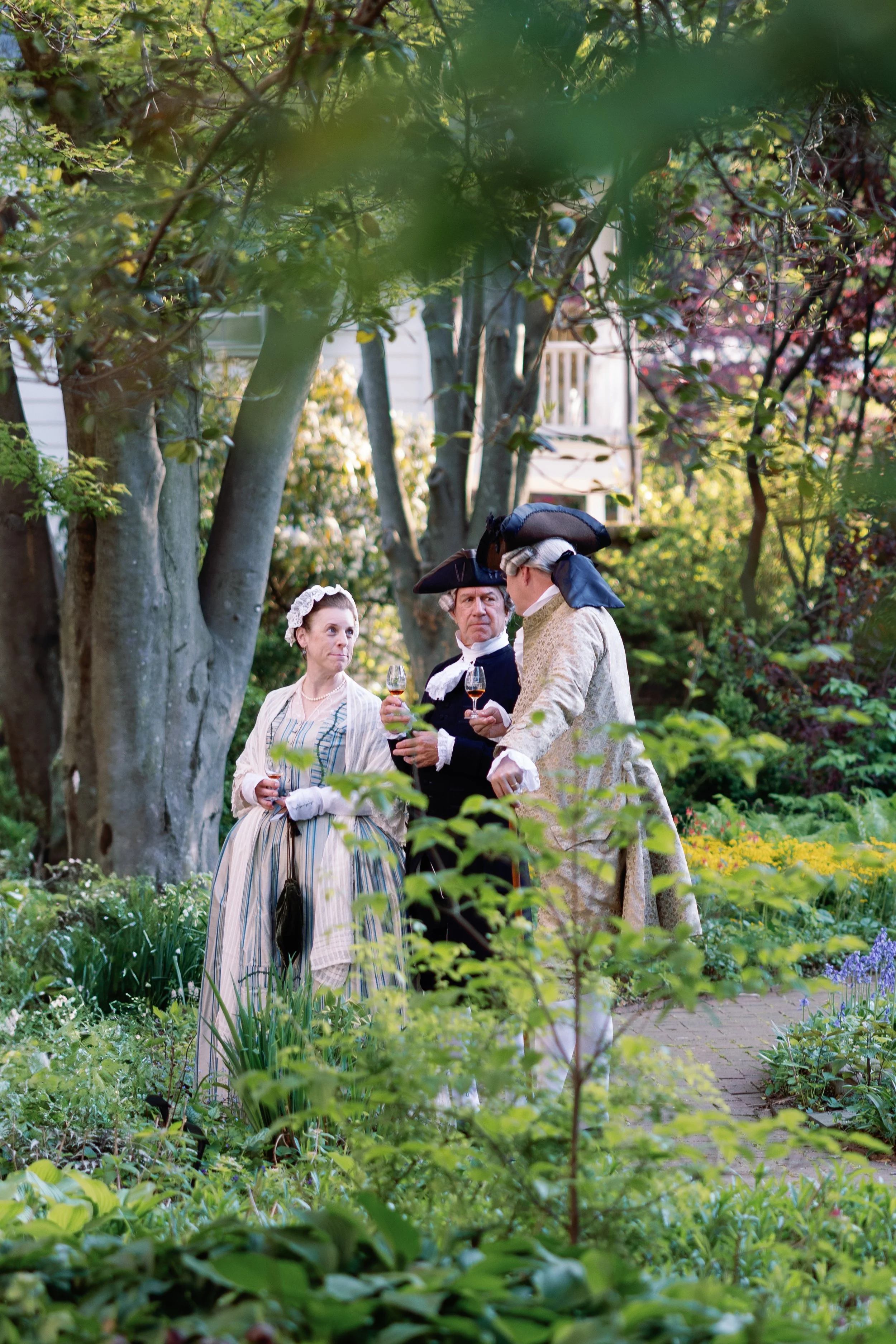
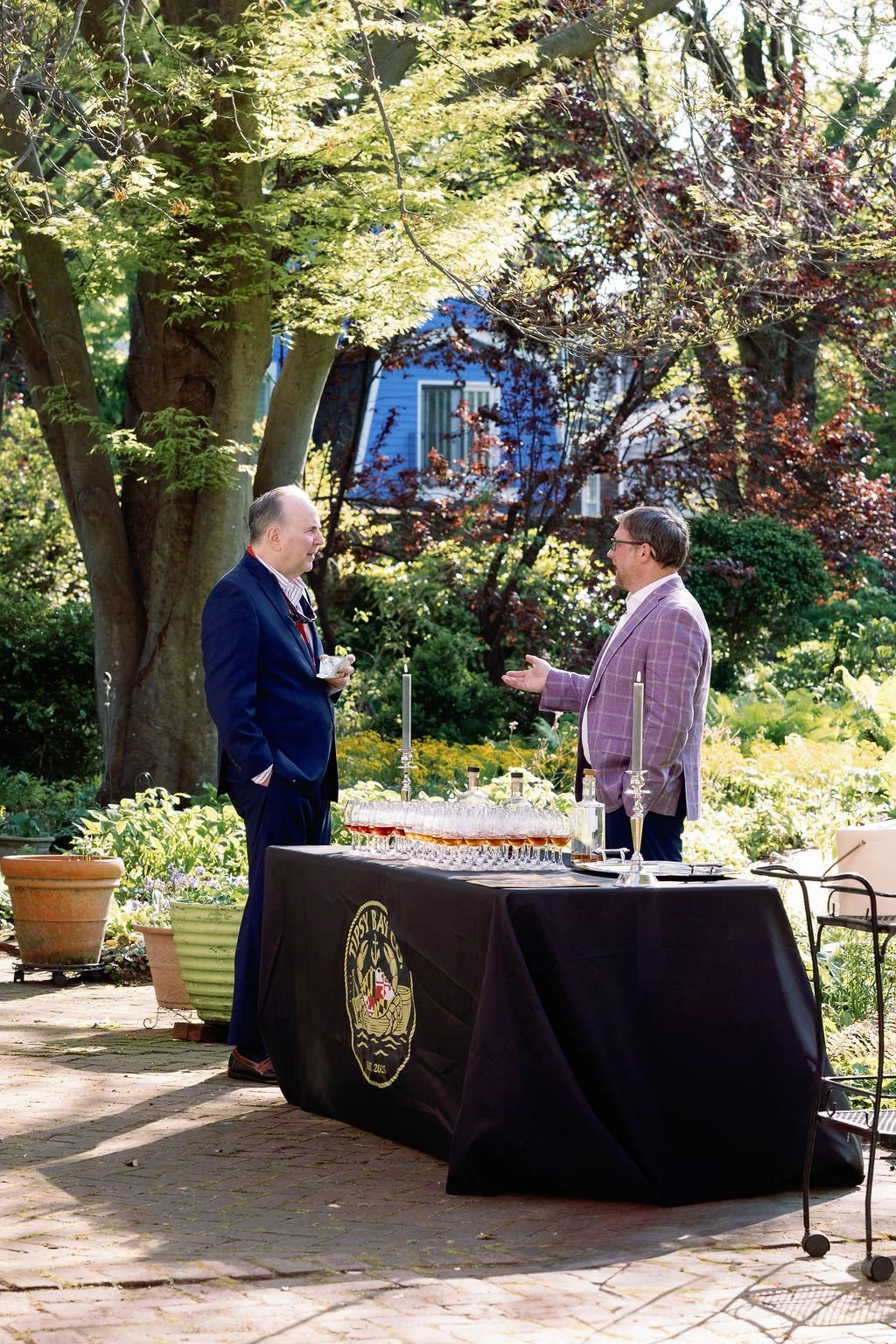
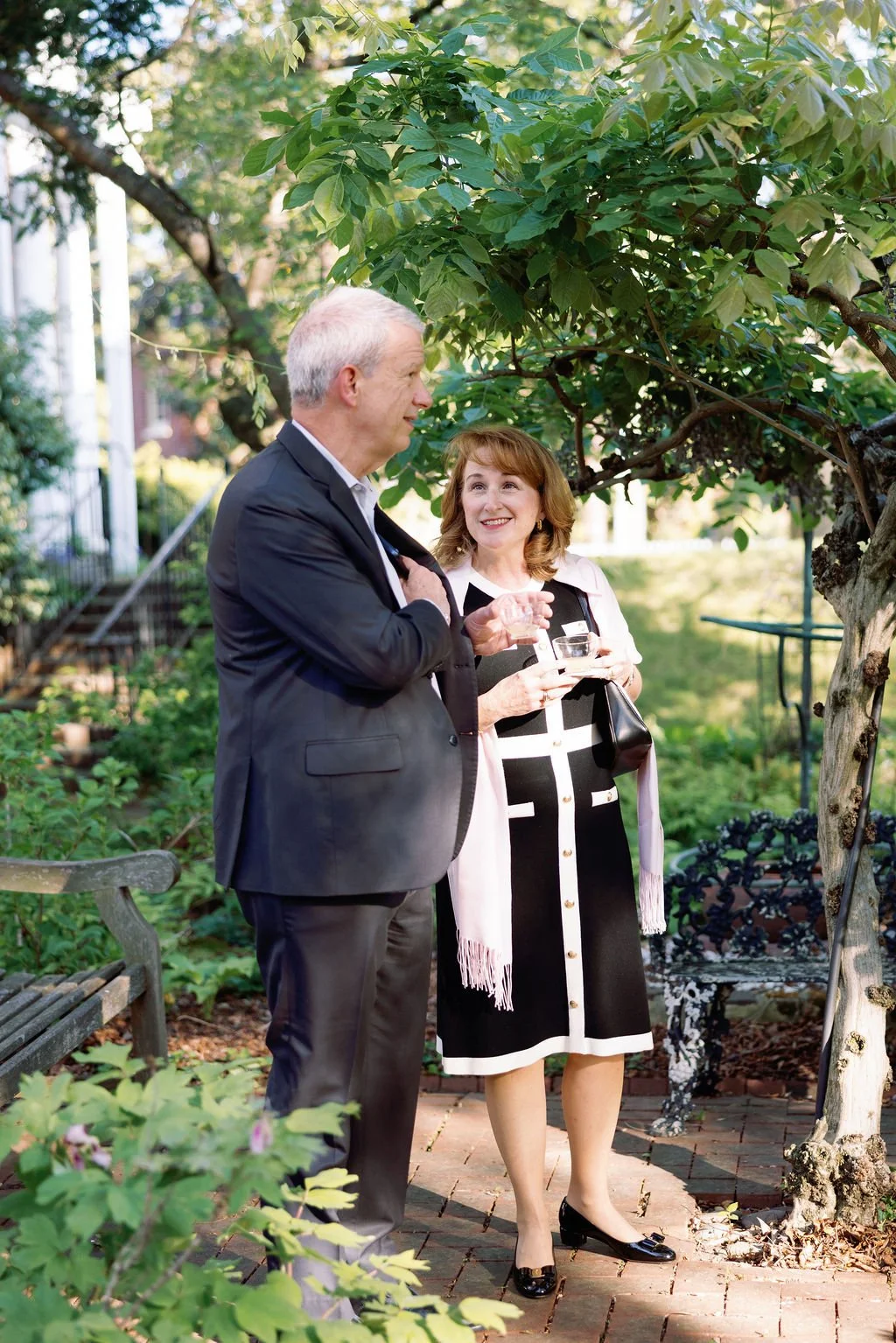
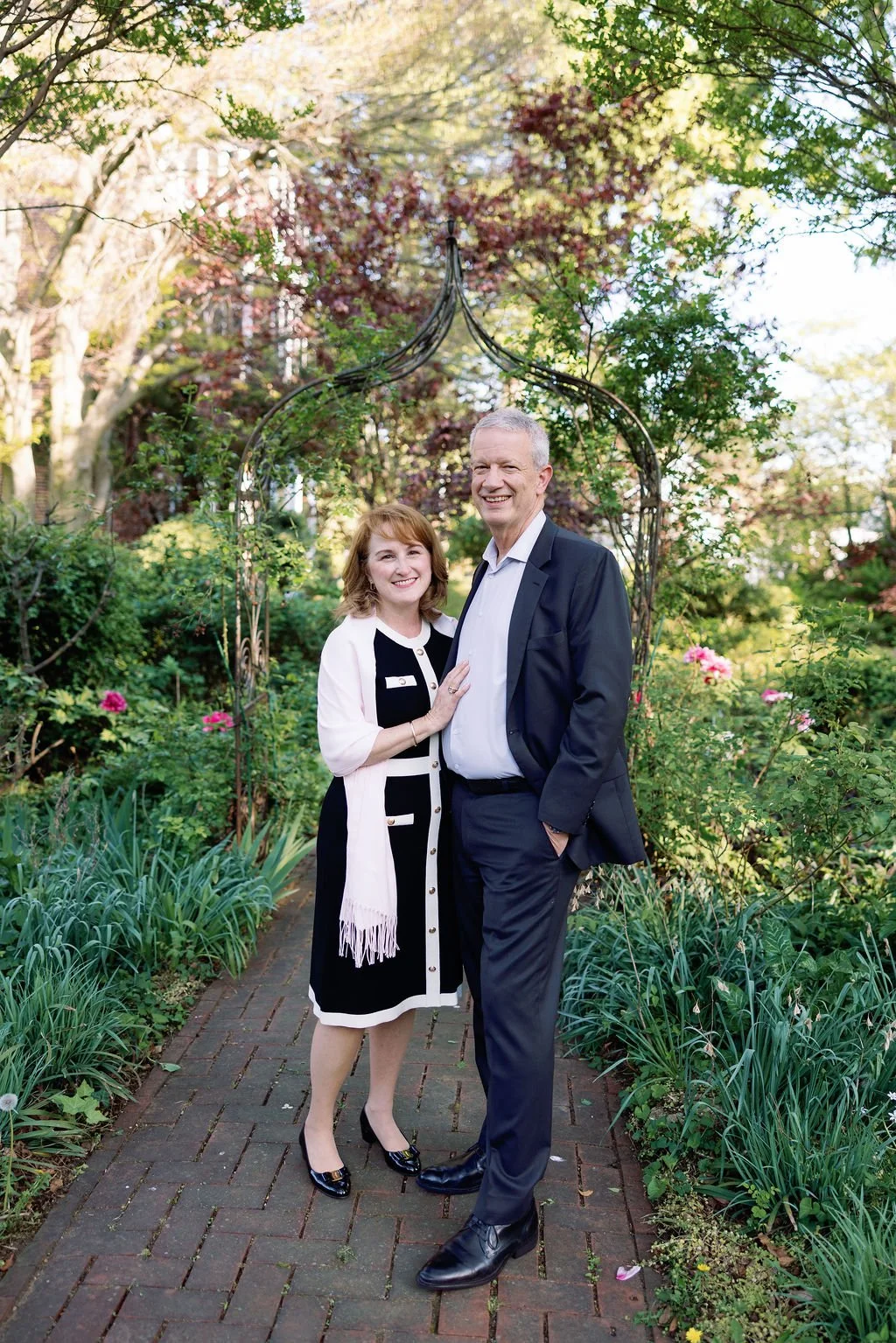
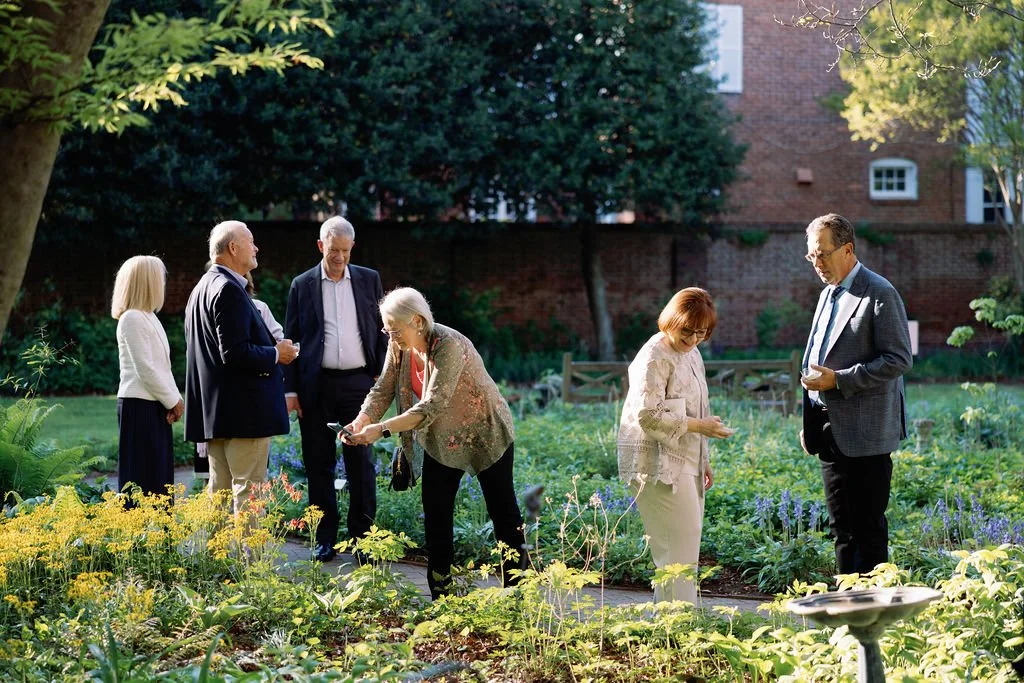
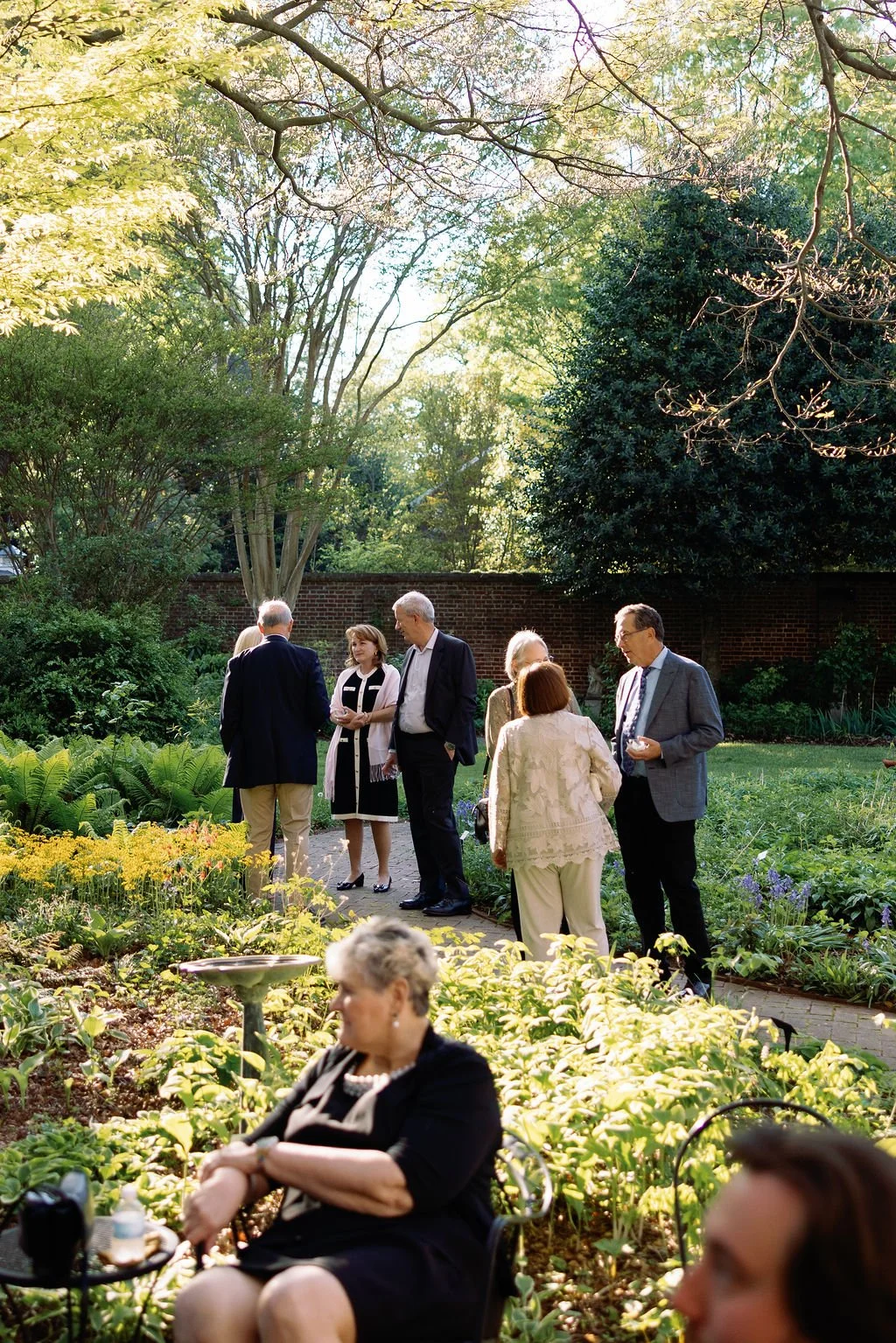
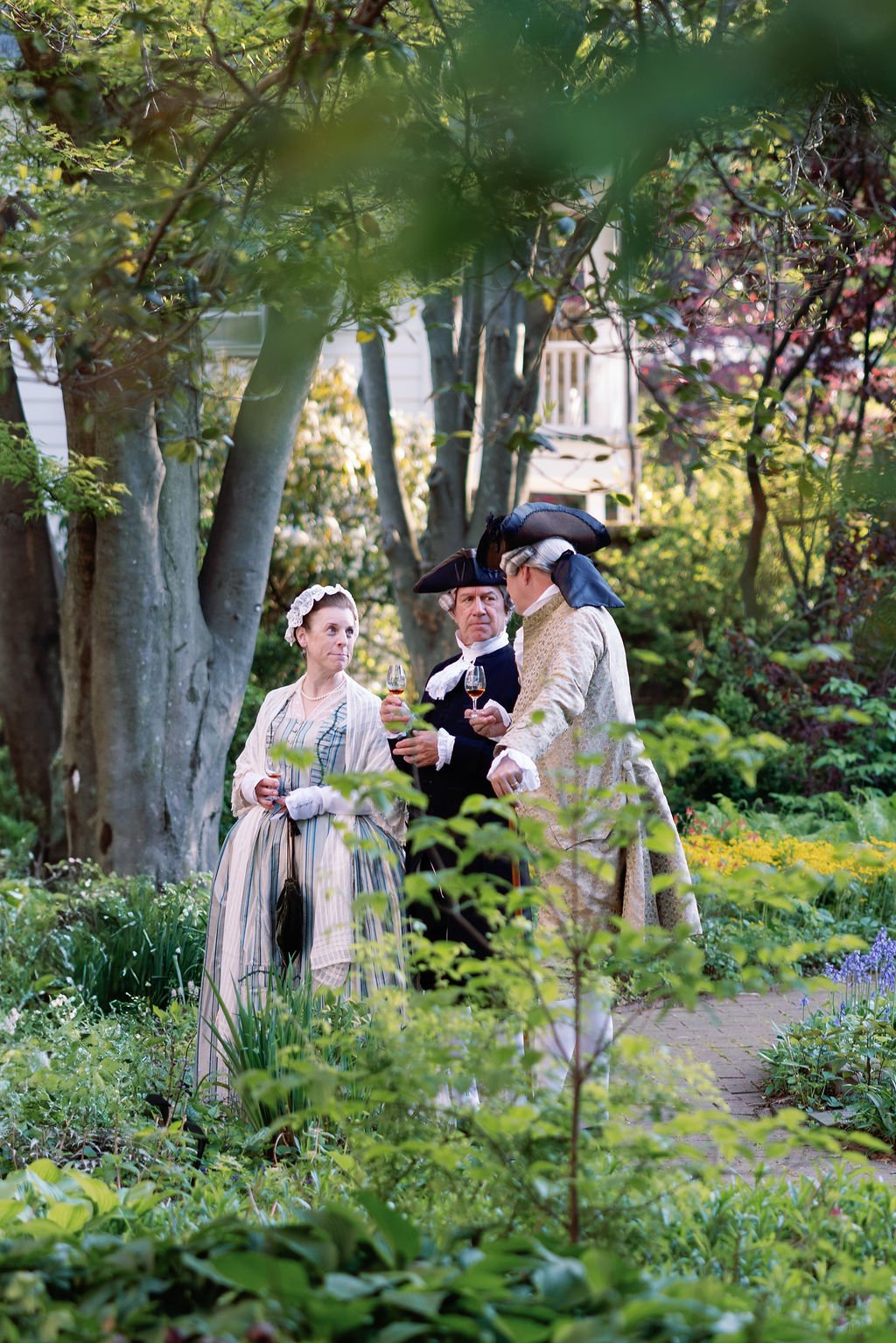
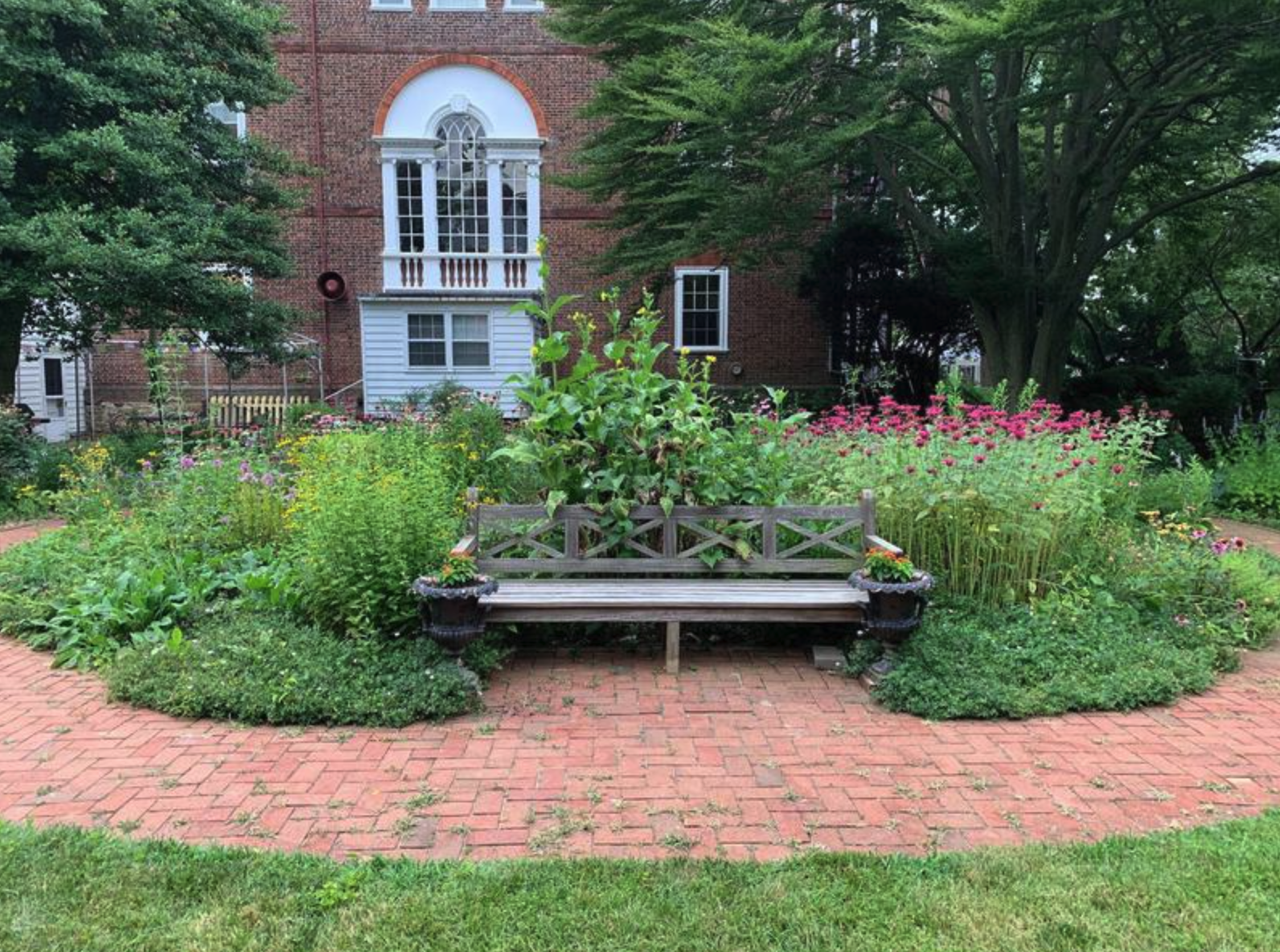
The Chase Home is host to 6,000 square feet of perennial and native planting beds, trees, and shrubs. Little is known about the history or design of the garden before 1976. The purpose of the garden is to create a place where beauty and sustainability complement the natural world. Today, the Chase Home continues to create "a taste of Maryland" in the garden. The garden features native plants and modern stewardship. In 2014, the property was certified as a Maryland Bay-Wise Landscape, and efforts continue to reduce the Home's energy footprint by improving waste management and recycling practices, water conservation, and energy efficiency. To learn more about the Bay-Wise program, please visit www.baywise.weebly.com